Mahashivratri means the ‘great night of Bhagwan Shiv (Lord Shiva).’ Lord Shiva and Goddess Parvati are worshipped on this spiritually important night. Exclusive food is made and eaten that fall under Mahashivratri Vrat Recipes. Here’s my handmade collection of 41 Fasting Recipes for Mahashivratri. Go ahead, choose your favorite and plan the day.
Significance of Mahashivratri
Mahashivratri takes place once a year in the month of Falgun in the Hindu Lunar Calendar. It is one of the most auspicious nights in Hinduism along with Janmashtami which is celebrated as the birth of Lord Krishna. Most Hindus observe a fast on this day.
On this day, devotees perform a special ritual (puja) called ‘Rudrabhishek,’ the completion of which is known to grant their wishes. This puja is also regarded as one of the purest and sacred Hindu rituals.
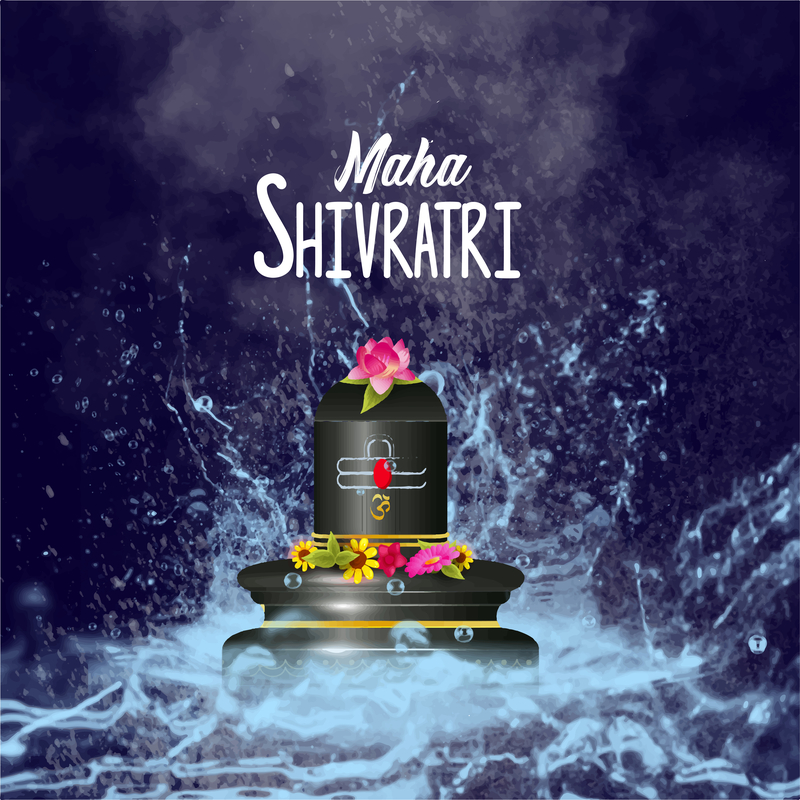
Mahashivratri is celebrated in the months of February or March depending on the lunar calendar. It is common for Lord Shiva believers and followers to worship him along with Goddess Parvati all year round.
This can be a part of Shivratri also referred to as ‘Masik Shivratri,’ which is often confused with Mahashivratri. However, there is a noteworthy difference between the two.
‘Shivratri’ occurs on the 14th night of every lunar month in the Hindu Calendar. Thus, summing up to a total of 12 Shivratris in a year, once every month. On the other hand, Mahashivratri is the most revered one of the 12 Shivratris and occurs once a year. Mahashivratri is also believed to be the day when Bhagwan Shiva and Mata Parvati got married.
According to ancient holy Hindu scriptures, Bhagwan Shiv is credited with blessing us with Yog (Yoga), Meditation, Tantra, Aghora, Dance, Music, Martial Arts etc. All these divine gifts are a way to raise your consciousness and get enlightened or have a samadhi experience.
The ‘Shivlinga’ or the symbolic representation of Lord Shiva represents a state of enlightened consciousness. On Mahashivratri, many devotees pour water on the Shivlinga with a lot of piousness and in a state of no consciousness (no thoughts). They also chant sacred Shiva mantras and indulge in fasting.
The idea is to connect the self with a deeper and higher state of pure mindfulness and inner divinity without any ego. Visiting a Shiva Temple, spending time in remembrance of Mahadev and mediating are also popular activities on this day. Many people believe Mahashivratri to be a great day for charity.
The spiritual practices conducted on the days and nights of Mahashivratri are extremely potent in raising the consciousness and achieving the experience of enlightenment.
Legends of Mahashivratri
The festival of Mahashivratri is associated with many stories and legends. Read on to know some of them.
- Many believe that it was this night, when Lord Shiva or Mahadev performed the ‘Tandav’ dance which signifies the cycle of creation, preservation and dissolution (going back to the source) of existence.
- According to Hindu mythology, Mahashivratri marks the day when Shiva drank the deadly poison ‘halahala’ during ‘Samudra Manthan’ or churning of the ocean. The ‘Neelkanth Mahadev Temple’ in the North Indian city of Rishikesh, Uttarakhand is associated with this event.
- Another popular tale associated with Mahashivratri is that Lord Shiva got married to Goddess Parvati on this day. Meaning, Shiva (consciousness) meeting Shakti (energy).
Mahashivratri Fasting Food (Vrat)
Shiva disciples or devotees observe the Mahashivratri fast (vrat) with great dedication and consume light religious food, which is essentially ‘satvik’ in nature. According to Ayurveda, satvik foods are vegetarian, made without onion, garlic and easy to digest. These are healthier, more nutritious and fresher which are meant to elevate energy, happiness and calmness in humans.
Cereals, lentils and grains are avoided, onion and garlic are not included and rock salt (sendha namak) is used instead of regular salt. To know more about fasting food, you can check this post of Navratri Fasting Rules.
The rules of fasting may differ from person to person, but majorly people fast completely or cook the unique dishes from Mahashivratri vrat recipes and have just one meal in a day. Some people who don’t fast make sure to prepare meals that have no onion, no garlic.
If you are also planning to fast or keep a vrat on this special day, then this collection of fasting recipes for Mahashivratri will definitely help you in deciding the menu.
Fasting Recipes for Mahashivratri
This collection of 41 Fasting Recipes for Mahashivratri is divided into the following categories:
- Breakfast or Snacks
- Lunch and Dinner (Main course)
- Sweets or Desserts
- Beverages
The one meal that you choose to consume on Mahashivratri is completely your choice. I preferably have some fruits on this day, which is followed by one light meal for dinner. In addition to this, I do meditate and chant Shiva mantras as well, and try to be awake the whole night.
Note
Make sure to use edible and food grade rock salt in place of regular salt or black salt in the recipes listed below. You can also skip the ground spices or add fewer spices.
Do take into consideration your age, body and health factors while planning to fast. Drinking enough water or fresh fruit juices to keep the body hydrated is always advisable.
I am also sharing a special Thandai recipe in section below which can be consumed after the Mahashivratri fast is over.
1. Breakfast or Snacks
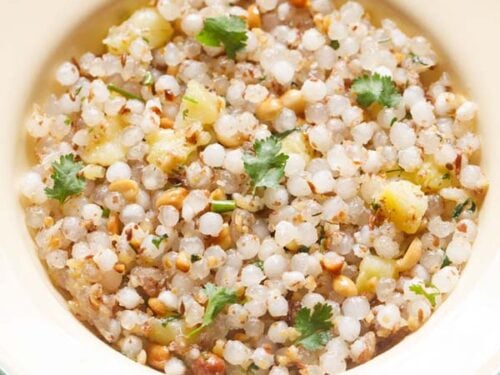
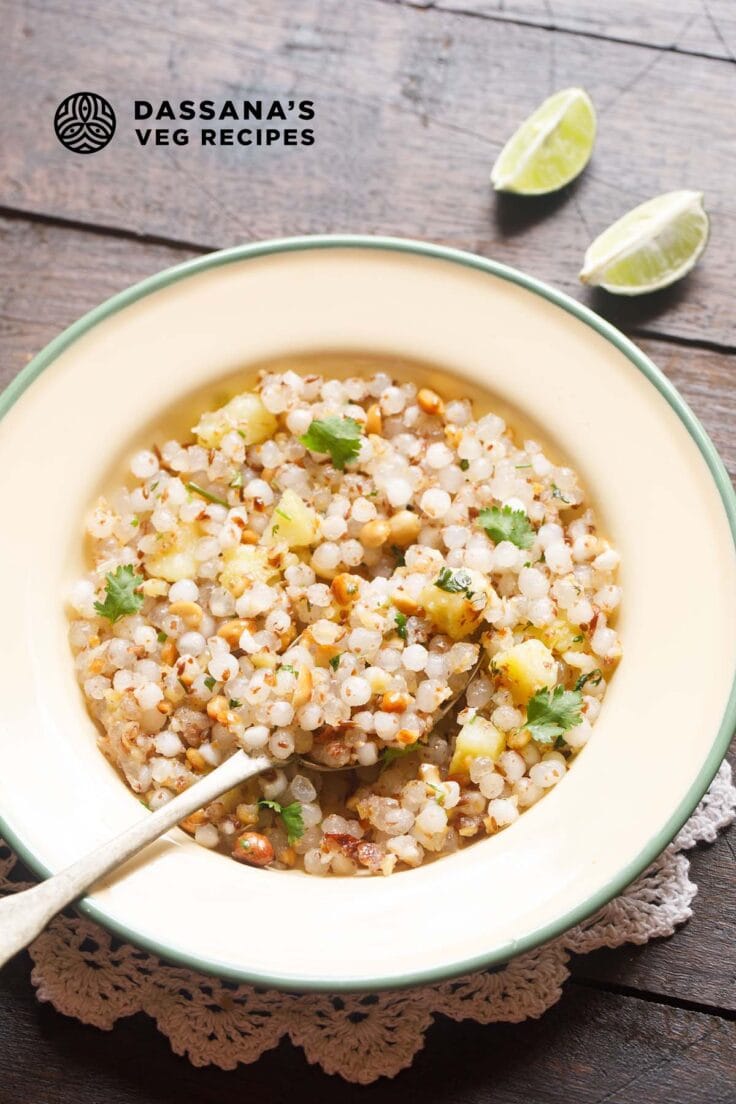
Sabudana Khichdi is a fasting savory dish made with soaked tapioca pearls cooked with ghee, cumin seeds, green chillies, boiled potatoes, crushed roasted peanuts, and rock salt (sendha namak). It is commonly prepared during Hindu fasting days such as Navratri, Ekadashi, and Mahashivratri. This dish is naturally gluten-free.
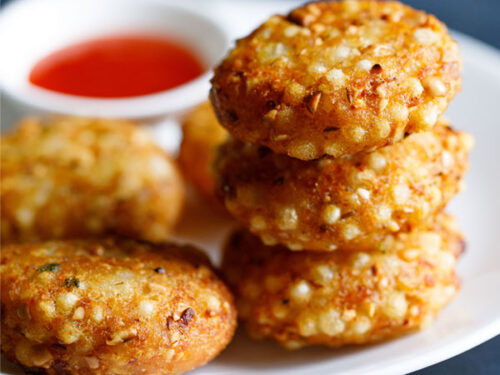
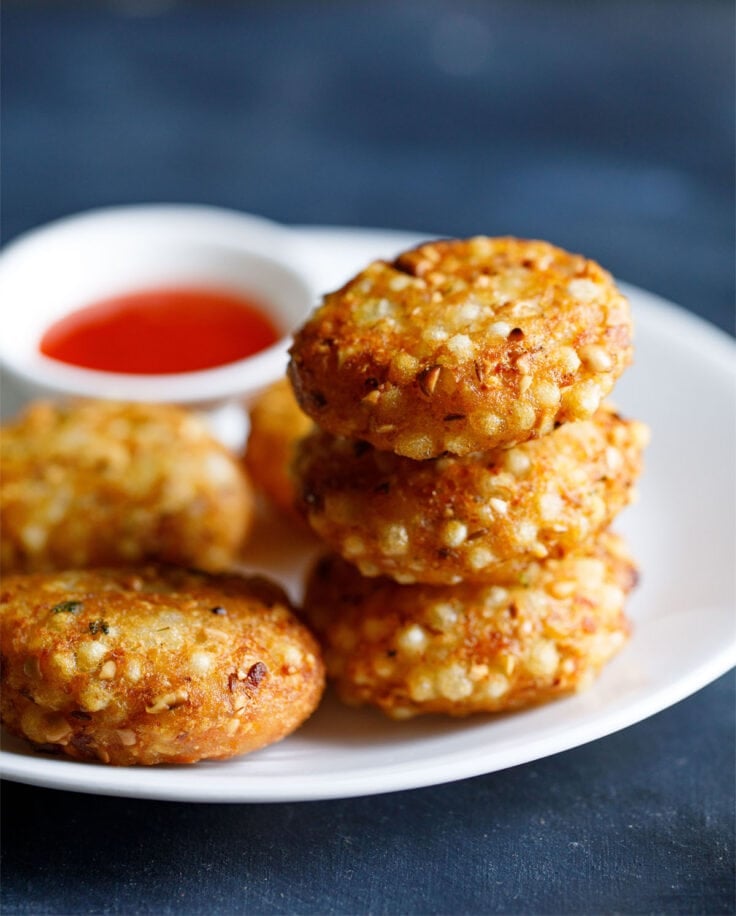
Sabudana Vada is a classic Maharashtrian snack of deep fried patties made with soaked sabudana, potatoes and crushed peanuts. This recipe gives a crisp texture outside with a soft and light inside. You can shape and fry them fresh or prepare the mixture ahead for quick cooking. It is commonly made during vrat but can be enjoyed as a tea-time snack too.
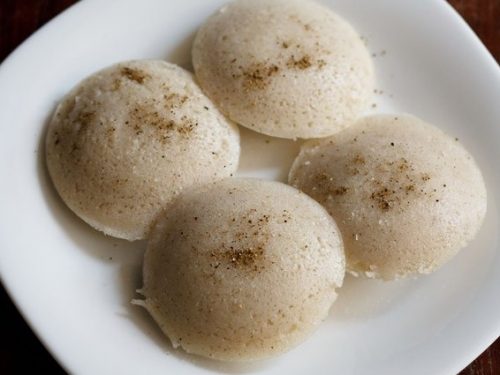
Sama Chawal Idli or Vrat Ki Idli is a unique variation to the South Indian Idli. These are made without the regular rice and lentils, but with Sama also known as Barnyard Millet in English. Thus, a perfect choice of dish for your vrats or fasts and even on regular days. A vegan, gluten free and quite a nutritious recipe.
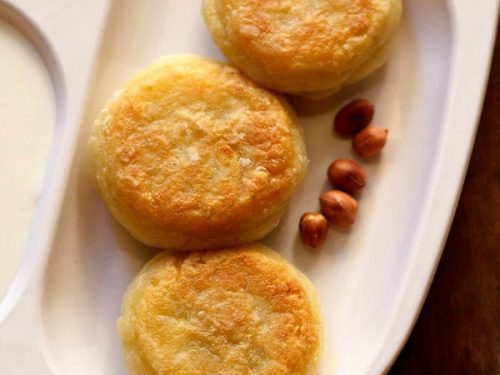
Farali pattice is an easy snack of crispy and tasty patties made with potatoes and stuffed with a sweet filling of coconut, nuts and raisins. This dish is from the Gujarati cuisine that is made during fast or upvas.
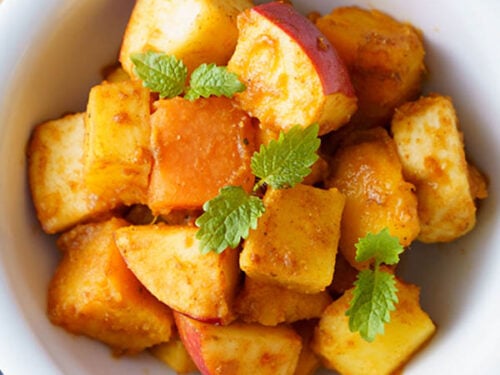
This Delhi style tasty fruit chaat is spiced, savory, sweet and tangy. Fruit chaat is made of a mix of fresh seasonal fruits and tubers like potatoes and sweet potatoes tossed with chaat masala, cumin powder, chilli powder and black salt.
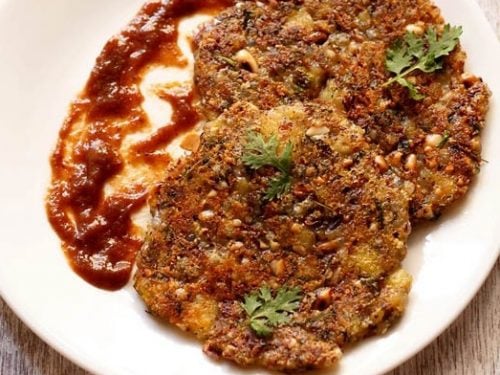
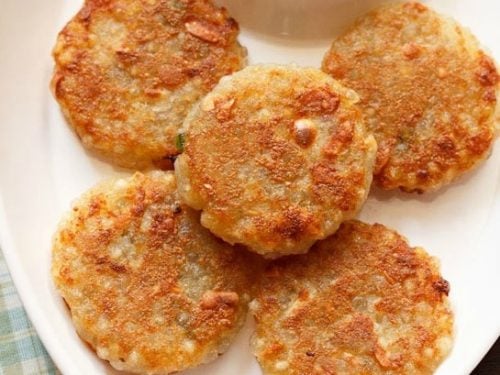
Sabudana Thalipeeth are crispy and soft pancakes made with tapioca pearls (sago), mashed potatoes, ground peanuts, herbs and spices. They are also called as Upvasache Thalipeeth in Marathi language and can also be referred to as Sabudana Roti.
Sabudana tikki also known as sabudana cutlet are pan-fried thin patties made with tapioca pearls, mashed potatoes and spices. These crispy patties make for a delicious snack that will get over in no time.
2. Lunch and Dinner Fasting Recipes for Mahashivratri
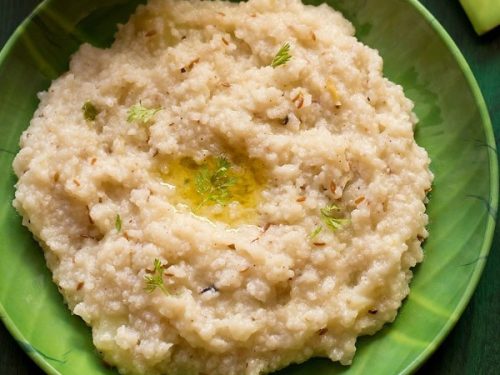
Samvat rice khichdi recipe – savory porridge made with barnyard millet and potatoes.
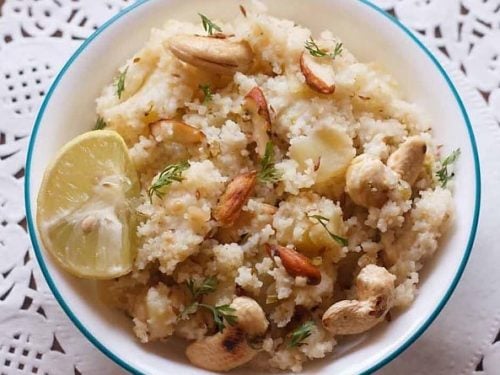
Samak Rice Pulao is a simple, healthy and tasty pulao made during Hindu fasting days like Navratri and Ekadashi. Also known as samak/sama/samvat/samo/bhagar and Barnyard Millet in English, this is a popular ingredient used in dishes that are made during the religious fasting days in India.
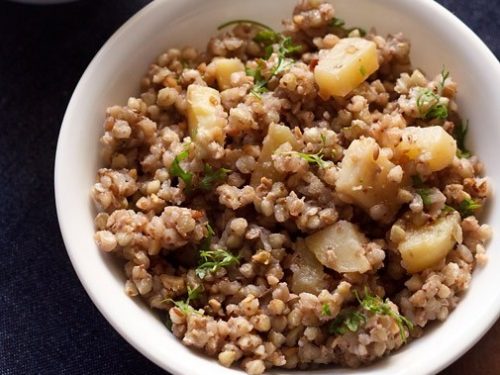
Buckwheat Khichdi is easy to prepare khichdi with buckwheat groats (kuttu), potatoes and peanuts for Navratri fasting. Wholesome super food.
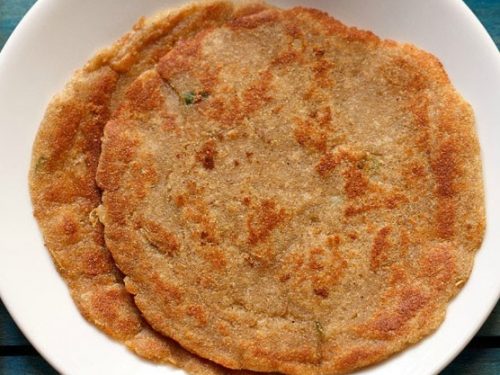
Rajgira roti or rajgira paratha is a healthy gluten-free flatbread made with rajgira atta or amaranth flour for Hindu fasting days.
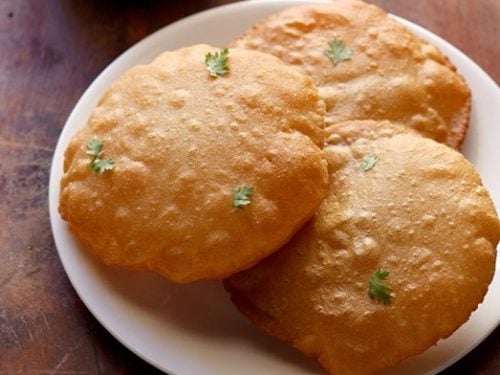
Rajgira Poori or Amaranth Poori are deep fried puffy breads made from amaranth flour, boiled mashed potatoes and edible rock salt. It also happens to be naturally gluten-free and vegan. Amaranth flour or seeds are usually eaten during the Hindu fasting or vrat season in India.
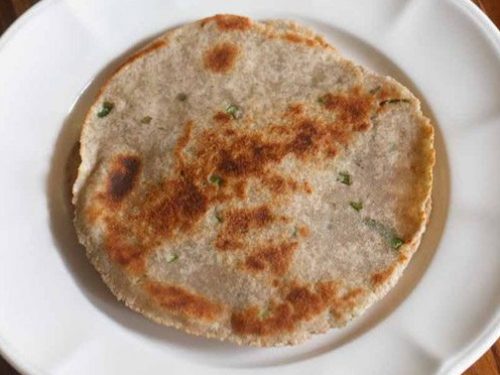
Kuttu ki roti or paratha are gluten free flatbreads made with buckwheat flour and mashed potatoes. These healthy flatbreads are usually made during the Navratri fasting period in India.
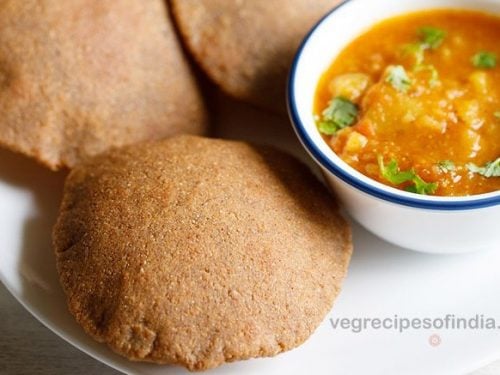
Kuttu ke atte ki puri are crisp and tasty Indian fry bread made with buckwheat flour for religious fasting or vrat.
Rajgira roti or rajgira paratha is a healthy gluten-free flatbread made with rajgira atta or amaranth flour for Hindu fasting days.
3. Curries and Sides
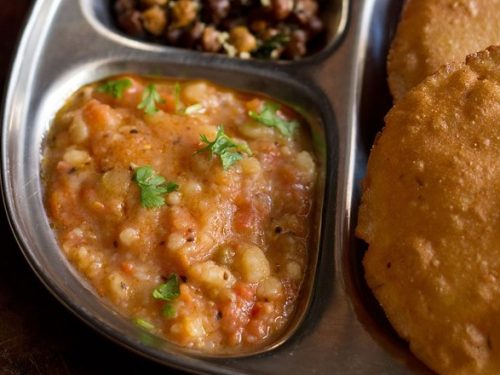
Vrat wale aloo is a fasting dish made with potatoes, tomatoes, spices and herbs.
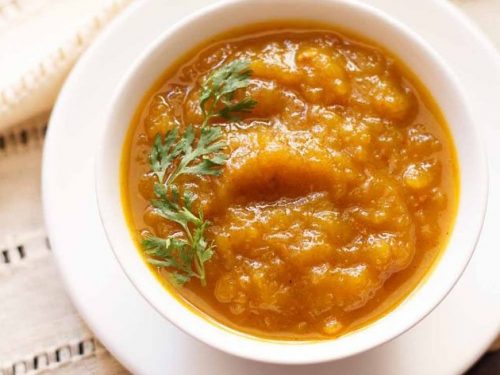
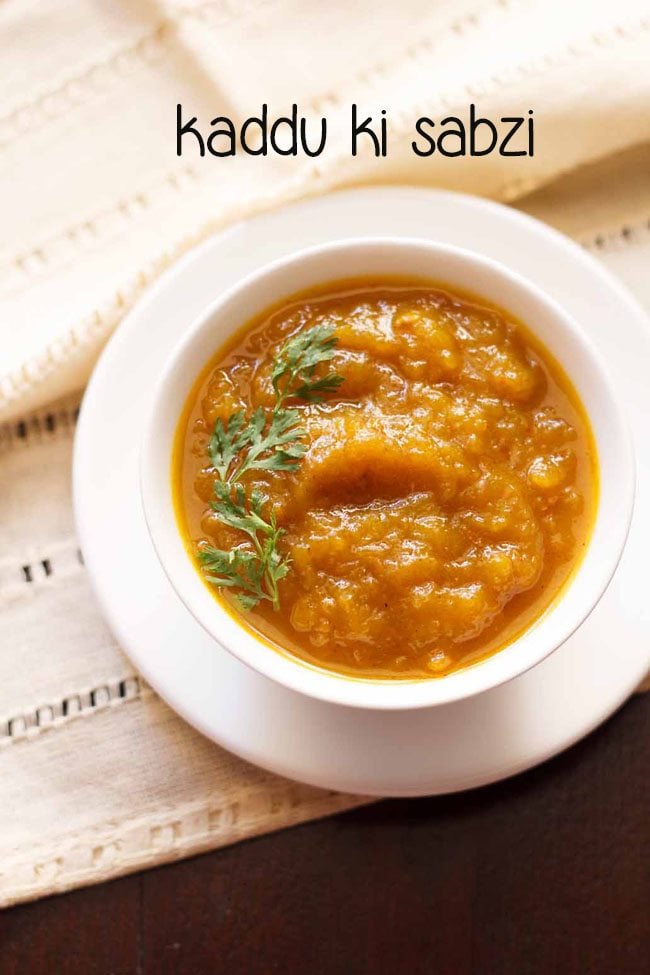
Kaddu ki Sabji is an easy and delicious vegan pumpkin recipe made with yellow pumpkin, spices and herbs. This is a North Indian style satvik recipe made without onions and garlic.
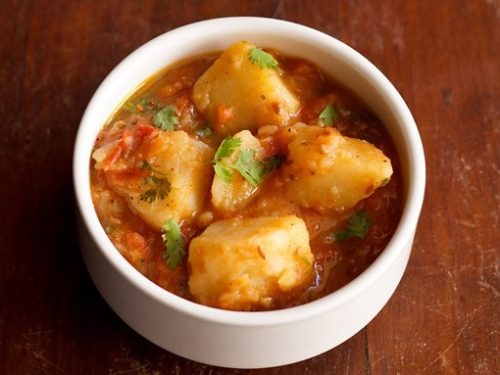
This Aloo Tamatar Ki Sabji recipe is made with potatoes simmered in a tomato-based gravy with a few spices and herbs. It is prepared without onion and garlic, making it suitable for vrat or fasting days. The curry has a light, slightly tangy taste and uses minimal ingredients. Serve it with puri, roti or as part of a simple everyday meal.
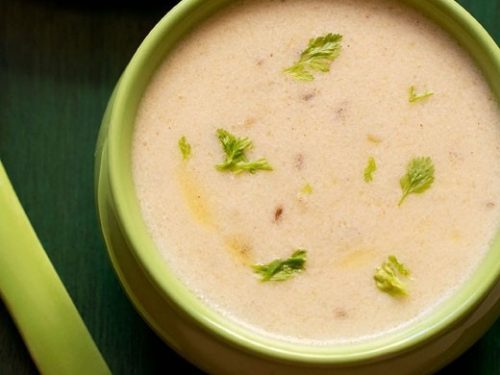
Easy and quick to prepare rajgira kadhi for Navratri fasting or upwas.
4. Sweets or Desserts Recipes
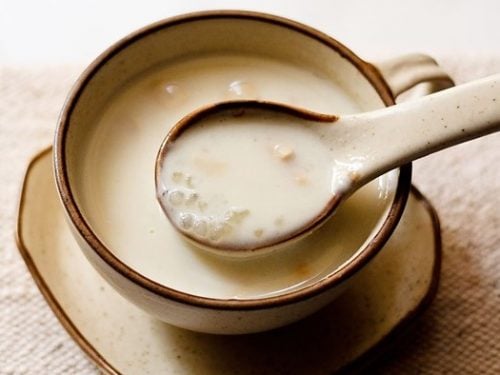
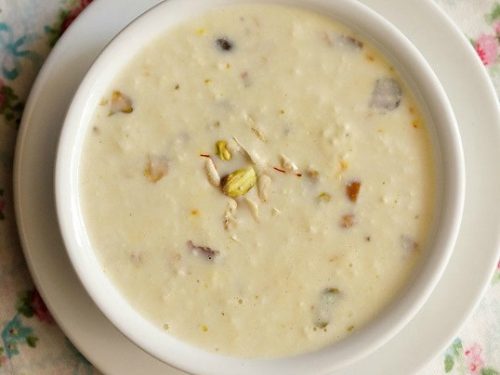
Sabudana Kheer is a sweet Indian pudding made with sago or tapioca pearls cooked in milk and sugar until thick and creamy. It is lightly flavored with cardamom, saffron and often garnished with nuts. This sabudana kheer recipe is commonly prepared during fasting days such as Navratri. Serve warm or chilled as a comforting dessert.
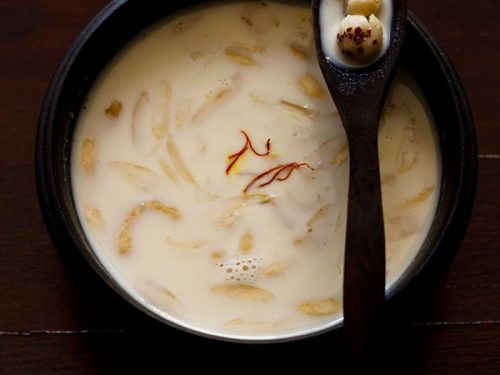
Makhane ki Kheer is prepared by roasting makhana in ghee and cooking them in milk until soft and thick. Sugar, nuts, dry fruits, cardamom and saffron are added for flavor and aroma. This vrat-friendly dessert has a creamy texture and mild sweetness. Serve it warm or chilled during festivals or fasting days.
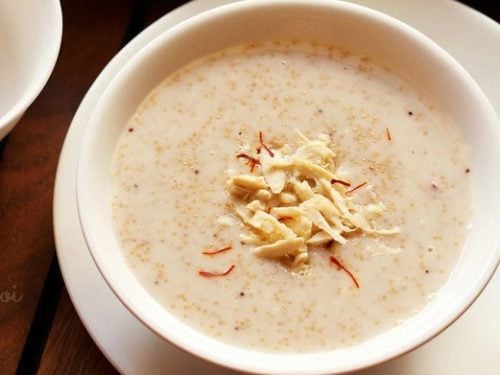
Rajgira kheer is a simple easy dessert pudding made with amaranth grains. Navratri recipe.
Sweet, creamy, and warmly spiced, this Kaddu ki Kheer (also known as Pumpkin Kheer or Pumpkin Payasam) is a flavorsome, easy-to-prepare traditional sweet dish for the Navratri Festival. This tasty pudding like dessert is made with pumpkin, whole milk, ghee, sugar and nuts.
Delicious kheer made with bottle gourd or opo squash.
Paneer kheer recipe is a quick and easy Indian cottage cheese kheer for the festive season. Ready in less than 25 minutes.
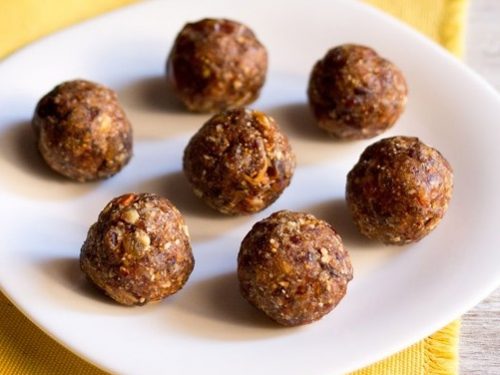
Easy Dry Fruit Laddu Recipe without any added sugar or fats like ghee or oil. Packed with nutrients, good fats and fibre, these energy balls are made with dates, figs and various nuts. This Dry Fruit Ladoo recipe gets done quickly and comes together under 20 minutes.
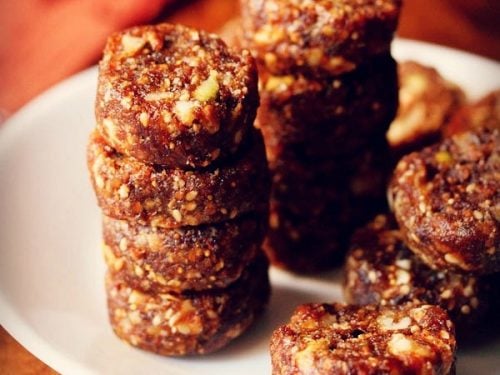
Sweet, chewy, and irresistible, this Dry Fruit Burfi (also referred to as Dry Fruit Halwa or Date Rolls) is a simple, quick and easy sweet you can make during Diwali or any festive season. My simple vegan recipe for Dry Fruit Barfi is made without any added sugar, making it a totally guilt-free treat!
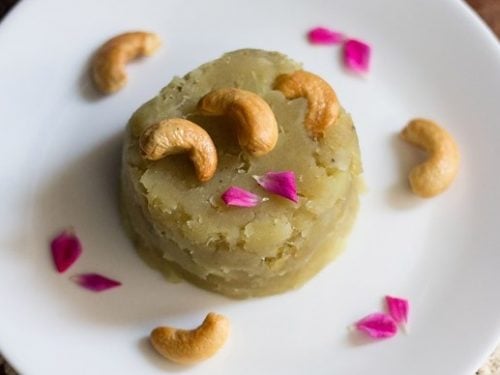
Sweet Potato Halwa also called Shakarkandi ka Halwa in Hindi is a delicious Indian sweet made with boiled and mashed sweet potatoes and scented with cardamom, saffron.
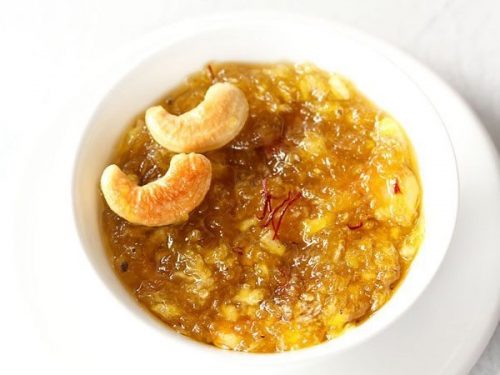
Kashi Halwa also called Dumroot Halwa is a unique, tasty and rich halwa made from ash gourd or white pumpkin, sugar, nuts, ghee, raisins and flavored with saffron.
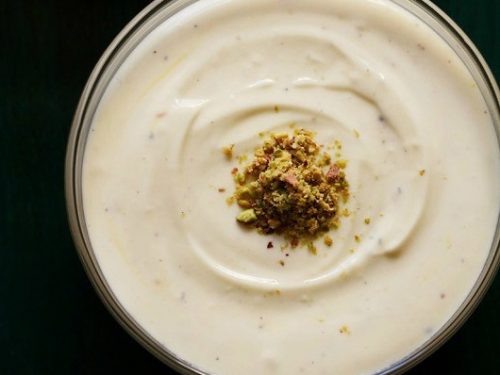
Shrikhand is a delicious and simple dessert recipe made with thick yogurt flavored with sugar, saffron and cardamom. Get two ways of making shrikhand recipe with hung curd as well as a quick and instant version with greek yogurt.
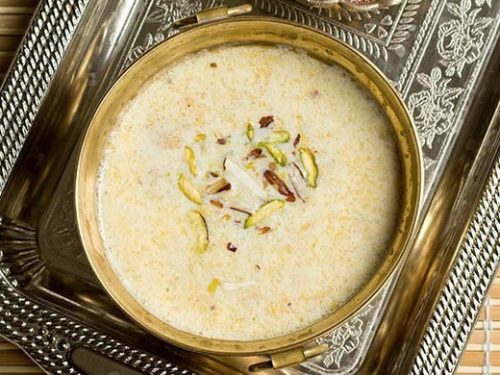
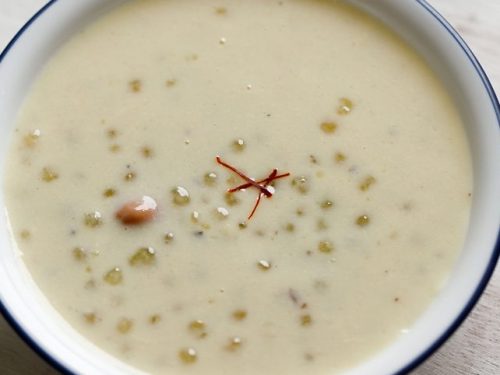
Javvarisi Payasam also referred to as Saggubiyyam Payasam or Sago Payasam is a sweet creamy pudding made with sago(tapioca pearls), milk, ghee, sugar, raisins and cashews. The recipe is super easy and a great way of using tapioca pearls in a dessert form. It is also gluten-free.
5. Beverage Recipes
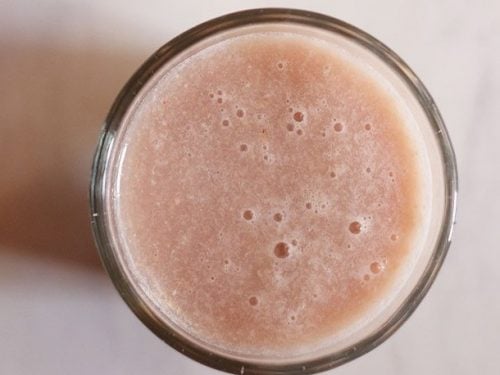
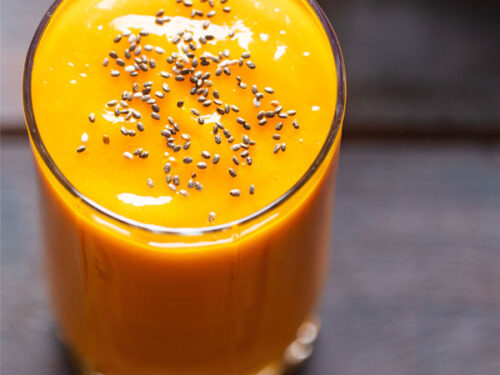
Sweet, tart and vibrantly refreshing, my homemade fresh Pomegranate Juice recipe will change your life for the better this summer. Also known as Anar Juice, this healthy beverage is loaded with vitamins and antioxidants to help restore your body after a day in the sun.
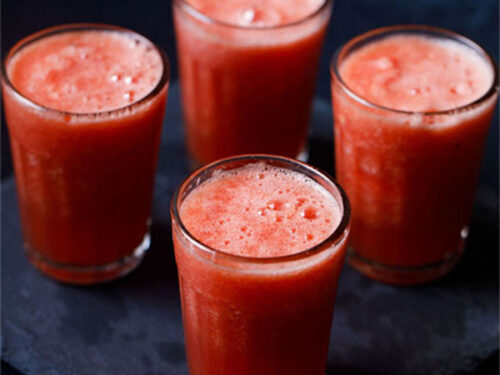
Watermelon juice is a light and refreshing drink made with fresh watermelon and a few simple ingredients. It is naturally sweet, hydrating and perfect for hot days. This recipe shows how to make the classic version at home, with simple options to adjust the flavor if you like.
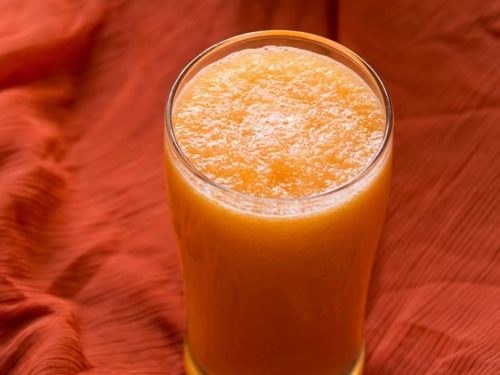
This easy recipe for making Musk Melon Juice (a.k.a. Cantaloupe Juice) for a sweet, refreshing warm-weather beverage that you're sure to love.
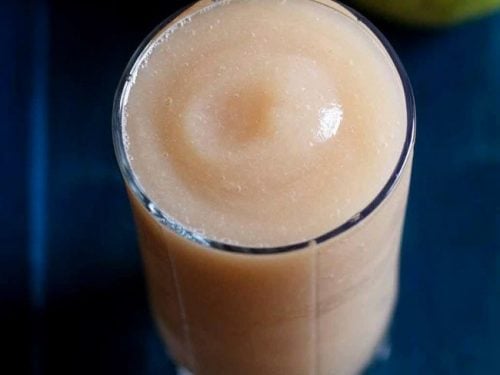
Refreshing and energizing pear juice recipe to beat the summer heat.
The best homemade mango juice recipe uses organic alphonso mangoes for a terrifically sweet, nectar-like drink that's perfect for enjoying by the glassful or including in any number of juice-based beverage recipes.
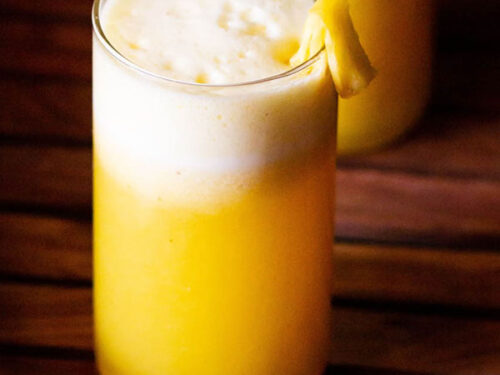
This pineapple juice is a refreshing juice made from fresh pineapple and flavored with black salt and roasted cumin powder. This recipe shows you how to make pineapple juice in a blender.
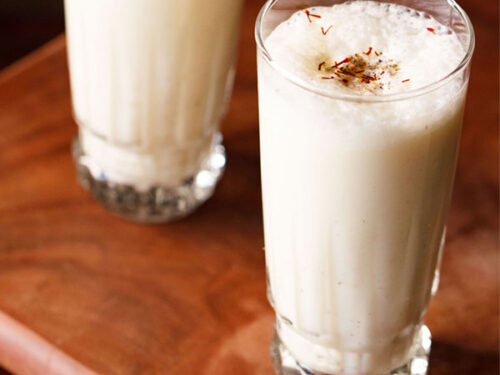
Lassi is a traditional Punjabi yogurt-based drink made with curd (yogurt), sugar or salt, and simple aromatic spices. It is blended until smooth and served chilled. This recipe shares three easy variations that are perfect for summer.
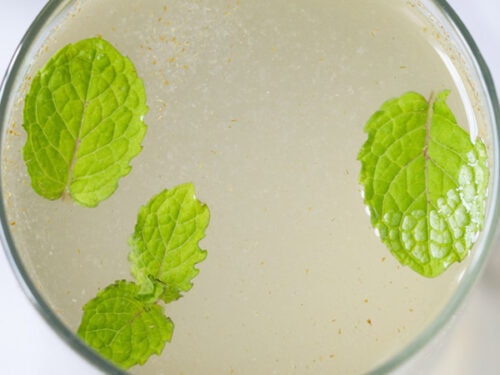
Nimbu Pani and Shikanji are the Indian versions of lemonade or limeade made with fresh lemon juice, water, sugar, black salt and optionally a few ground spices and sometimes garnished with mint leaves.
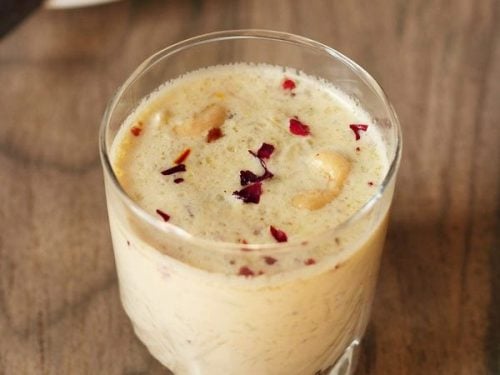
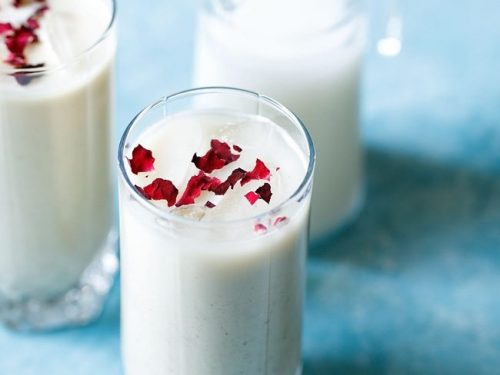
Thandai is a festive North Indian beverage prepared with a homemade Thandai powder or paste made from nuts, seeds and whole spices. The mixture is blended with milk and lightly sweetened to make a rich, cooling drink. It can be served during Holi, summer gatherings or as a refreshing spiced milk drink anytime.
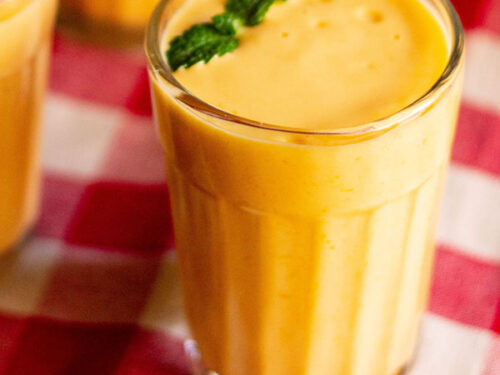
Mango Lassi is a creamy and thick variation of the classic lassi, made with ripe mangoes and yogurt. This version is smooth, lightly sweet and can be flavored with cardamom, saffron or rose water. It is easy to prepare and works well as a cooling summer drink.
Mahashivratri Vrat recipes from the archives first published on February 2020.

Happy Mahashivaratri. Jai Jai Shiv Shankar… Har Har Mahadev… Bam Bam Bholenath ?
So good recipes and info. Mahashivratri greetings.
Good information
Hello dassana ji
Another legend is (lord shiva was always there he is anadi and ananth ) , but he first appeared as an infinite, unending, transcendental jyotirlinga today at ‘nishit kaal’ at 12 am ( zero hour ) as a sthambha with unimaginable light. It is also called as kaal bhairav swaroop in the form of linga. Everything is both from him and everything will submerge into him at the time of pralaya.
Happy shivratri to you
🙂
Hi Chandana, thank a lot for this super info. I was not aware about this. Wish a Happy Mahashivratri festival to you.