Tahini Recipe | How to Make Tahini Paste
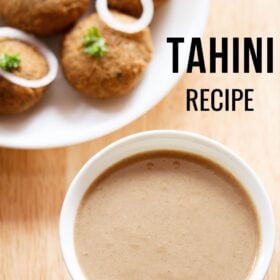
Tahini (also called Tahina) is a smooth, fine paste made from ground sesame seeds and oil. It is a staple in Middle Eastern and Mediterranean cooking. This homemade version uses lightly toasted white sesame seeds and sunflower oil. The taste is clean, nutty, and balanced, with a mild, natural bitterness from the sesame seeds.
About This Tahini Recipe
This is a small-batch homemade tahini recipe made in a blender or food processor. It uses white sesame seeds and sunflower oil, which keeps the flavor mild and neutral. You get a smooth, pourable tahini that works well in everyday cooking.
You can make tahini with either polished (hulled) or unpolished (unhulled) white sesame seeds. In this recipe, I have used unpolished, unhulled sesame seeds, which still have the outer hull intact. They add more nutrients and a deeper sesame flavor.
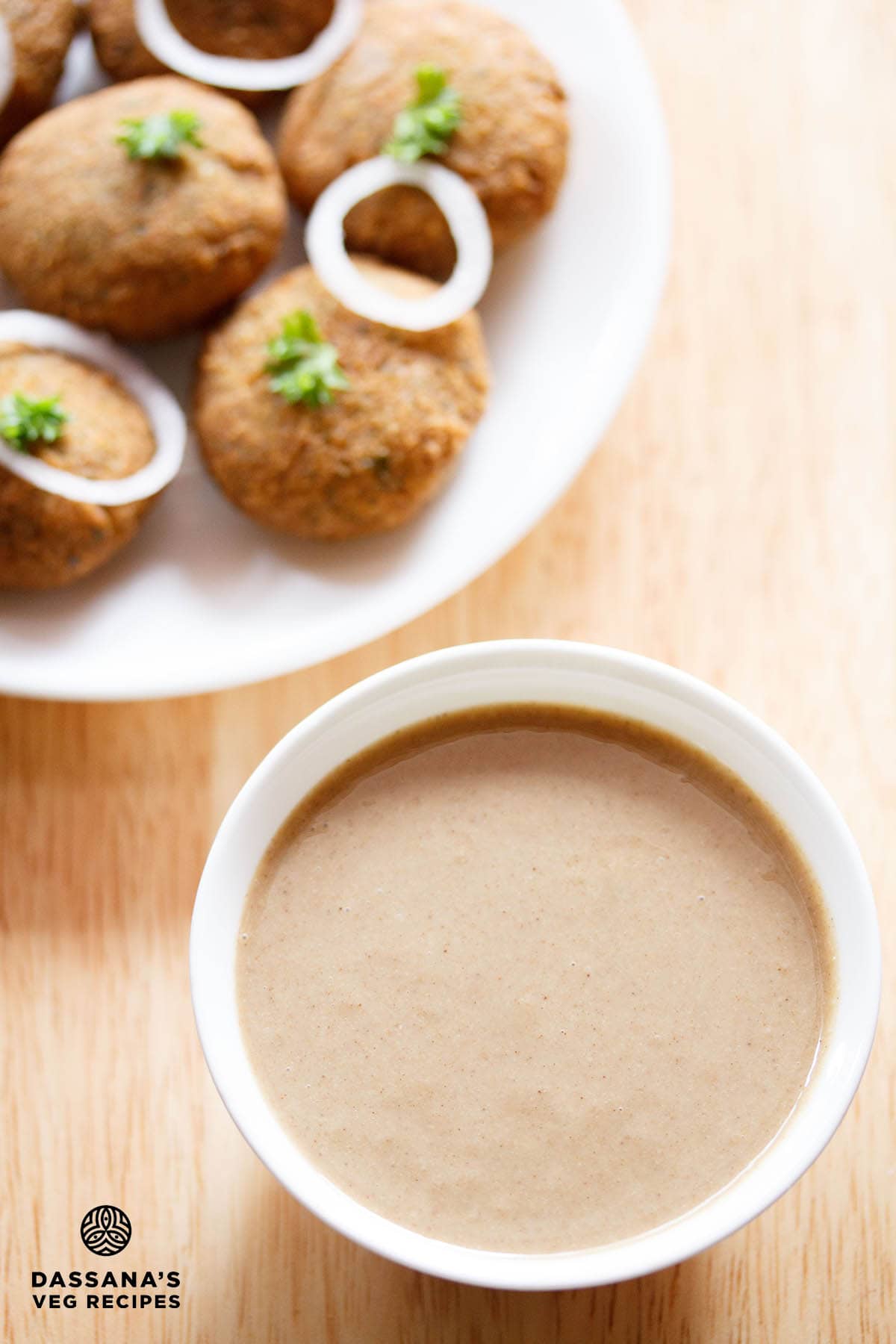
Table of Contents
Unpolished or unhulled sesame seeds can taste slightly bitter even without toasting, as the bitterness comes from the outer hull itself.
Toast them very lightly on low heat, only until aromatic. For a milder, smoother, and lighter-colored tahini, polished or hulled white sesame seeds work better.
The sesame seeds are lightly toasted and not browned. This step helps bring out a gentle nutty aroma and also makes blending easier. Over-toasting will darken the paste and affect the taste.
A mild bitterness is natural in tahini made with unhulled sesame seeds and is part of its traditional flavor profile. This is normal and expected in homemade tahini made with whole sesame seeds.
The seeds are first ground on their own until they turn into a fine powder. Only after they start releasing their natural oils is the sunflower oil added. This gives better control over the final texture.
Sunflower oil works well here because it has a neutral flavor. You can also use any other neutral oil if needed. Avoid strong-tasting oils, as they overpower the sesame flavor.
Tahini is naturally vegan and gluten-free. It works as a base for dips, dressings, and sauces. Making it at home gives you control over bitterness, texture, and oil choice.
This recipe yields a small bowl or jar of the sesame paste, perfect for home use. Store it in the refrigerator and stir before using if the oil separates. Homemade tahini stays fresh longer when kept chilled.
If you enjoy making pantry basics at home, you may also like these Middle Eastern recipes:
How to Make Tahini
1. Measure 1 cup white sesame seeds (135 grams) and add them to a heavy skillet or frying pan.
Note: I have used organic white sesame seeds in this recipe. Organic sesame seeds are usually unhulled, which means the outer hull is still intact and can give a mild, natural bitterness. If you want a mild and light tahini with little to no bitterness, use polished or hulled sesame seeds.
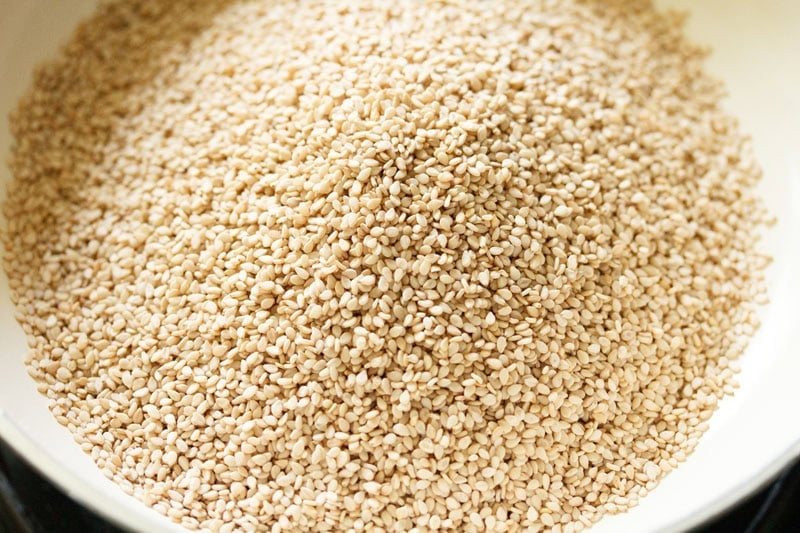
2. Begin to dry roast/toast on low heat, stirring often for 2 to 3 minutes or until they smell nutty and turn slightly warm. Do not brown them.
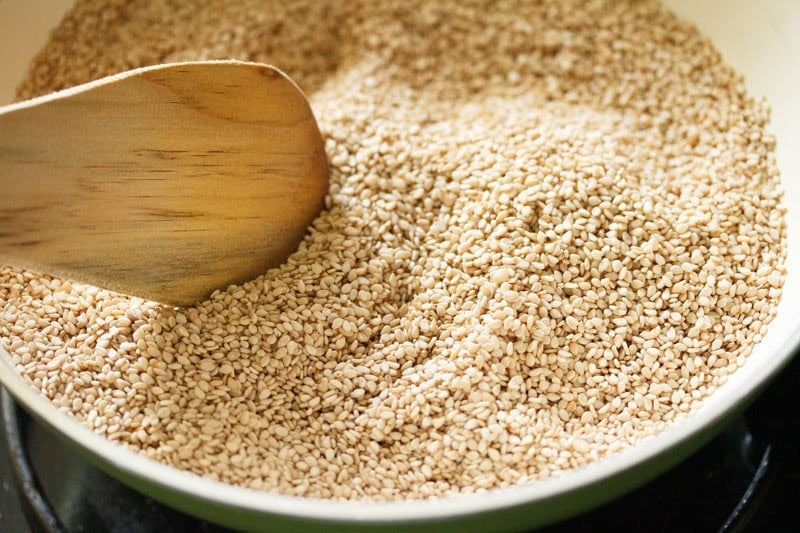
3. Turn off the heat and set aside the pan or transfer the toasted seeds to a plate and let them cool completely.
Tip: Blending warm seeds will release oil unevenly and affect texture.
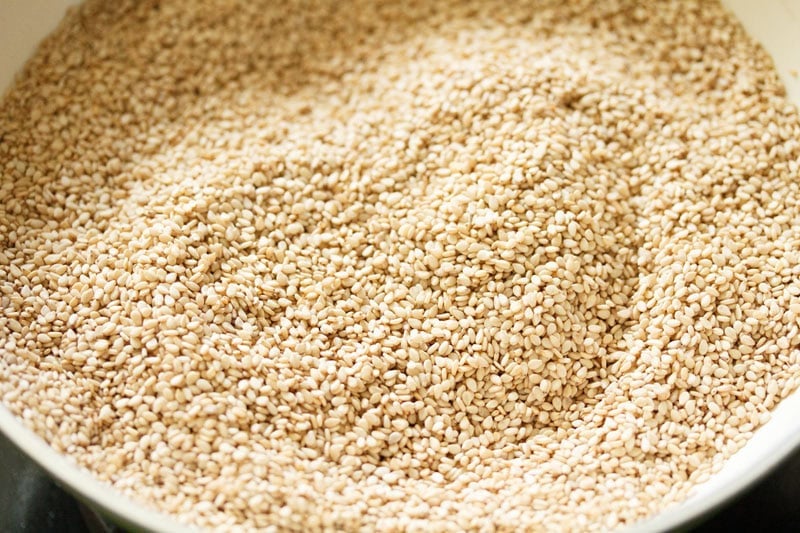
4. Add the cooled sesame seeds and ½ teaspoon salt or according to taste, to a sturdy blender or food processor.
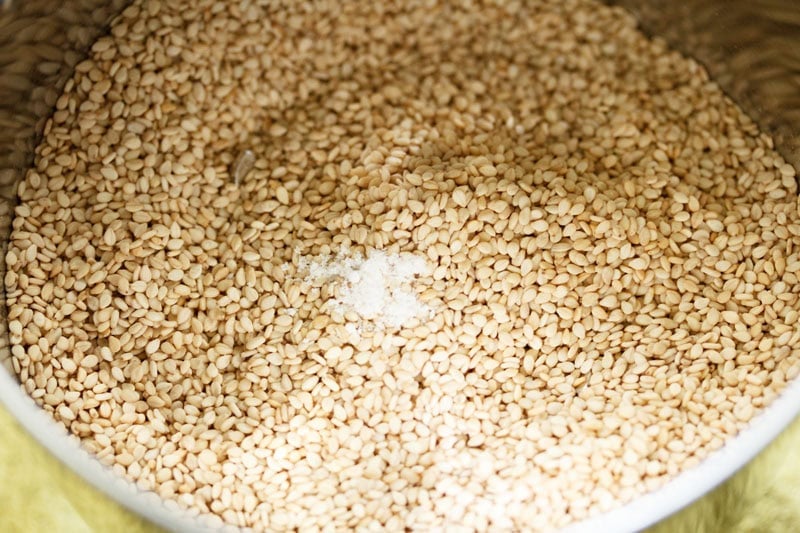
5. Blend or process in short intervals, scraping the sides as needed.
At first, the seeds will turn into a coarse powder. Keep blending until the texture becomes finer and slightly clumpy. This stage shows the seeds are beginning to release their natural oils.
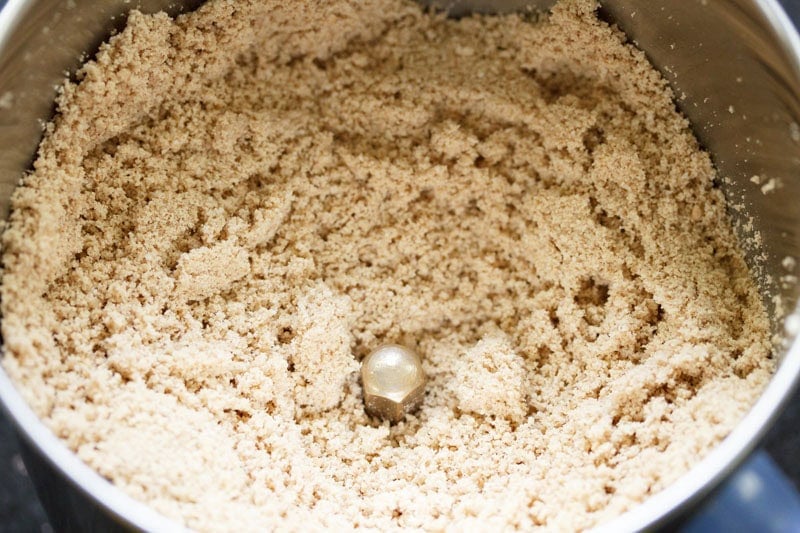
6. Add 3 tablespoons sunflower oil in batches and continue to blend.
Note: When the ground sesame seeds turn fine and slightly clumpy, it indicates that they are releasing their natural oils. From this point, add the oil gradually and blend. This helps control the thickness and gives a smooth, creamy tahini.
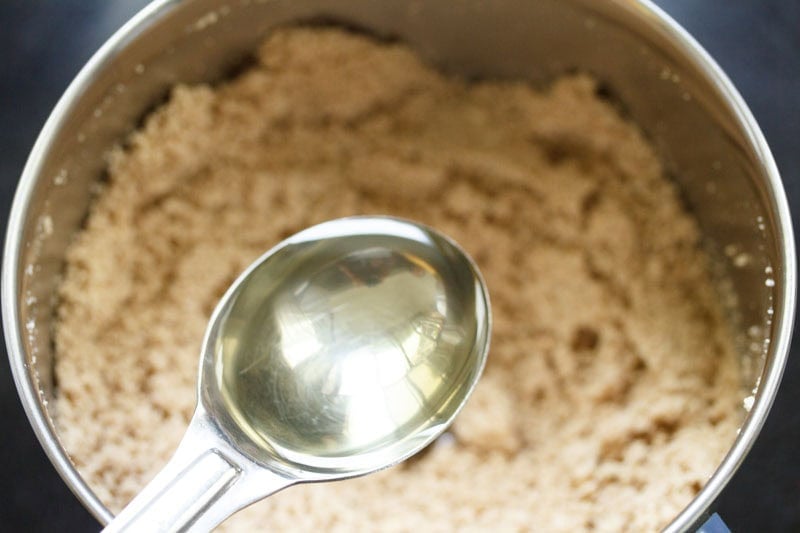
7. As you add the oil gradually and blend again, the mixture will start turning thick and creamy.
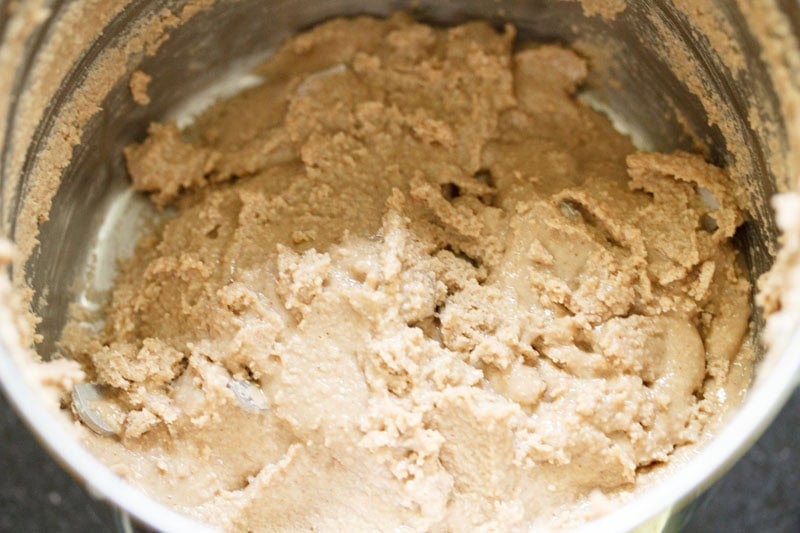
8. Now check the consistency. If needed, add 1 to 2 more tablespoons sunflower oil, blending after each addition. Taste and adjust the salt if required.
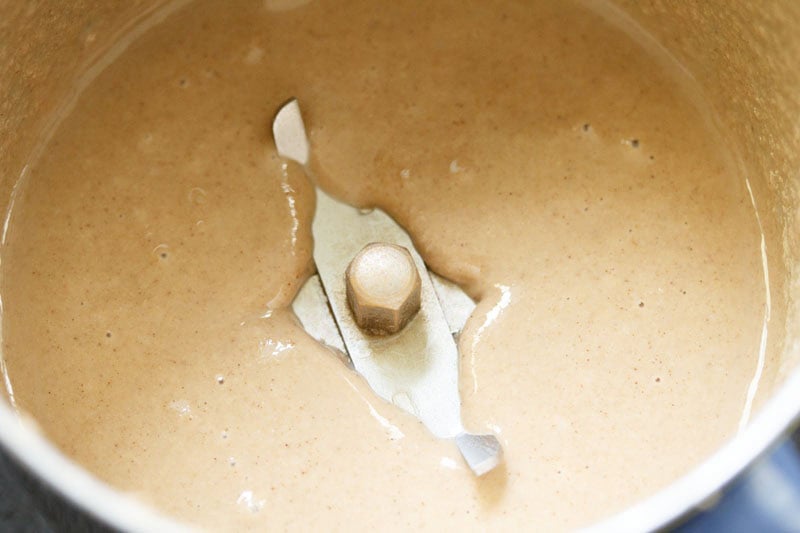
9. Scrape the tahini into a small bowl or clean jar. Cover and refrigerate.
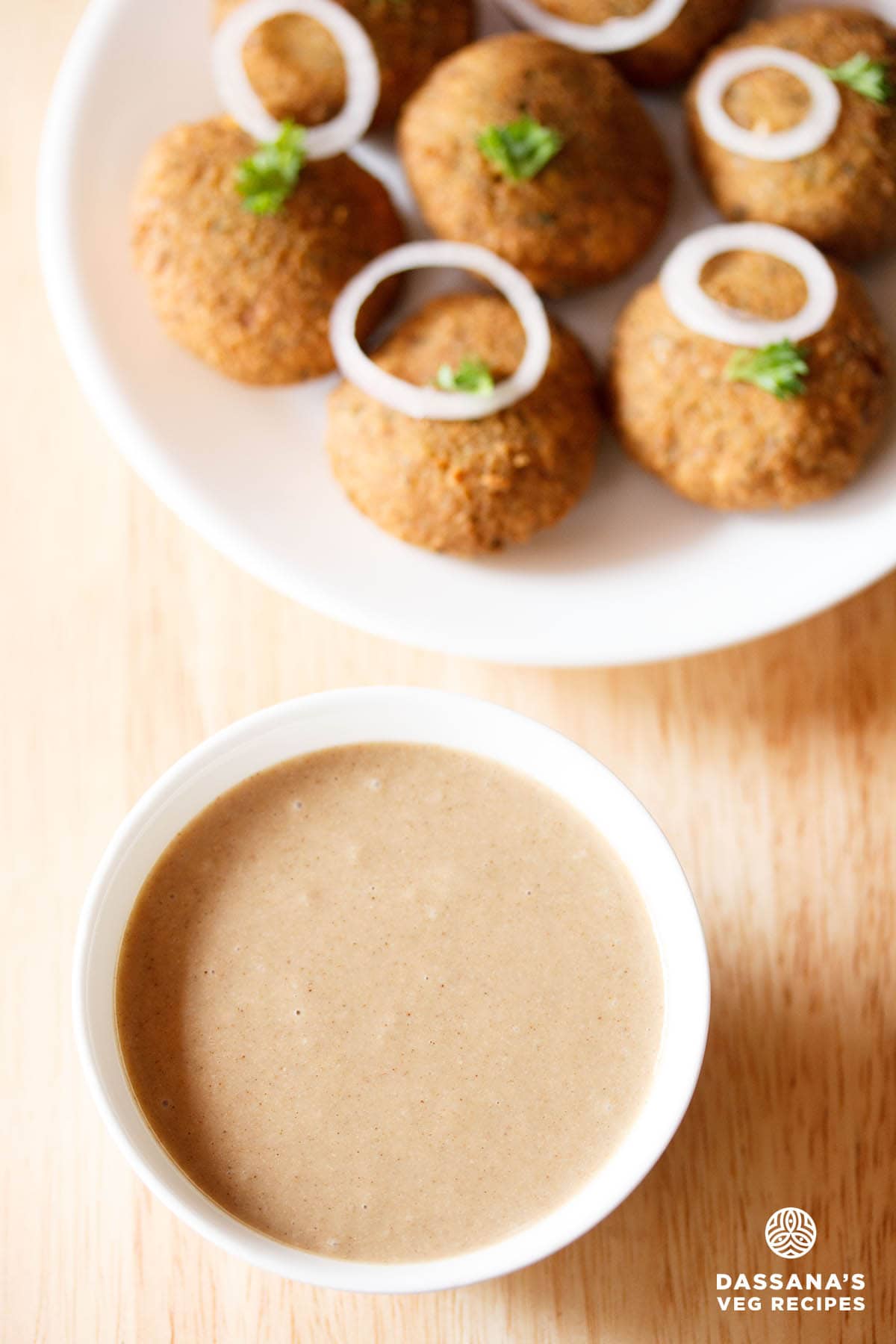
Serving Suggestions & Storage
Use tahini in hummus, Baba Ganoush, and salad dressings. It also works well in sauces, marinades, and spreads for wraps like Shawarma or in a Veg Burger or Vegetable Sandwich. You can drizzle it over roasted or sautéed vegetables or Falafel or Veg Kabab.
Store tahini in a clean, airtight jar in the refrigerator. It keeps well for 3 to 4 weeks. If oil separates, just stir before using. This is normal for homemade tahini.
Dassana’s Recipe Notes
- Toast lightly, not deeply: Over-toasting sesame seeds increases bitterness, especially when using unpolished seeds. Toast only until they smell aromatic.
- Cool completely before blending: Warm sesame seeds can grind unevenly and release oil too quickly. Let them cool fully for a smoother texture.
- Blend in intervals: Blending in short bursts prevents the mixture from heating up and helps achieve a creamy, even consistency.
- Add oil gradually: Adding too much oil at once can make tahini loose and greasy. Add it in small amounts and adjust as needed.
- Choosing sesame seeds: Polished sesame seeds give a mild, creamy, and lighter-colored tahini. Unpolished seeds have a stronger flavor and can taste bitter, even without toasting.
- Use a neutral-flavored oil: Sunflower oil works well, but you can also use grapeseed oil, avocado oil, or light olive oil. Avoid strong-flavored oils, as they can overpower the sesame taste.
Readers’ Questions
1. Can I skip toasting the sesame seeds?
Yes, you can skip toasting, but the tahini will taste raw and lack aroma. Light toasting brings out a gentle nutty flavor and also makes the seeds easier to blend.
2. Why does tahini sometimes taste slightly bitter?
A mild bitterness is natural in tahini, especially when made with unpolished sesame seeds, as the outer hull has bitter compounds. Light toasting enhances aroma but does not remove this bitterness.
3. Which oil is best for tahini?
Sunflower oil works best as it has a neutral taste and does not overpower the sesame flavor. You can also use any mild, neutral oil.
4. Can I use a mixer grinder?
Yes, a mixer grinder works fine. Blend in short bursts and scrape the sides often to avoid overheating and to get a smooth paste.
5. Is homemade tahini thicker than store-bought?
Usually yes, as homemade tahini has no added stabilizers. You can thin it later with a little water or lemon juice, depending on how you plan to use it.
Step by Step Photo Guide Above
Homemade Tahini Recipe
Ingredients
- 1 cup (135 grams) white sesame seeds
- ½ teaspoon salt or add according to taste
- 3 to 5 tablespoons sunflower oil or add as needed, can use any neutral flavored oil
Instructions
- Lightly toast the sesame seeds on low heat for 2 to 3 minutes or until aromatic. Stir often.
- Cool them completely before blending.
- Grind the seeds and salt in a blender or food processor until powdery.
- Add 3 tablespoons oil gradually and blend until smooth and creamy. If needed, add 1 to 2 more tablespoons oil while blending.
- Check the taste and add more salt if needed.
- Transfer to a jar and refrigerate. Tahini keeps well for 3 to 4 weeks in the refrigerator.
Dassana’s Notes
- Do not brown the sesame seeds: Toast the seeds lightly on low heat, only until aromatic. Browning or deep toasting will darken the tahini and add bitterness.
- Blend in intervals for best texture: Blend in short bursts and scrape the sides often. This prevents overheating and helps the tahini turn smooth and creamy.
- Add oil slowly to control consistency: Add the oil gradually once the sesame seeds release their natural oils. This helps control thickness and prevents the tahini from becoming runny.
- Choosing oil and seeds: Use neutral oils like sunflower oil, light olive oil, avocado oil, or grapeseed oil. Hulled (polished) sesame seeds give a lighter, smoother tahini, while unhulled (unpolished) seeds make it thicker with a mild natural bitterness.
- Stir before use if oil separates: Separation is normal in homemade tahini. Stir well before using to restore a smooth consistency.
- Note: The approximate nutrition information is for the entire batch of tahini made from this recipe.