
Dosa Recipe with Traditional Dosa Batter
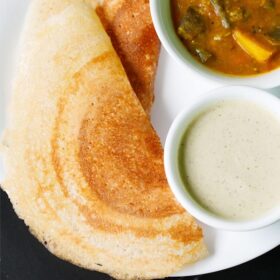
Dosa is a popular South Indian crepe made from a naturally fermented dosa batter of rice and urad dal. The batter is ground smooth, fermented until light and airy, and then spread thin on a hot griddle to make crisp, golden dosas. This traditional dosa recipe gives you a balanced texture with crispy texture and a soft center. Dosa is commonly served with coconut chutney, sambar, or both.
The Essential Dosa
Dosa, also known as dosai in Tamil, is a classic South Indian breakfast made from a fermented batter of rice and urad dal. These thin crepes can be crisp or soft, depending on the batter consistency and the way they are cooked.
A well-made dosa has a light texture, gentle tang, and golden crisp texture. It is usually served with Coconut Chutney and Sambar.
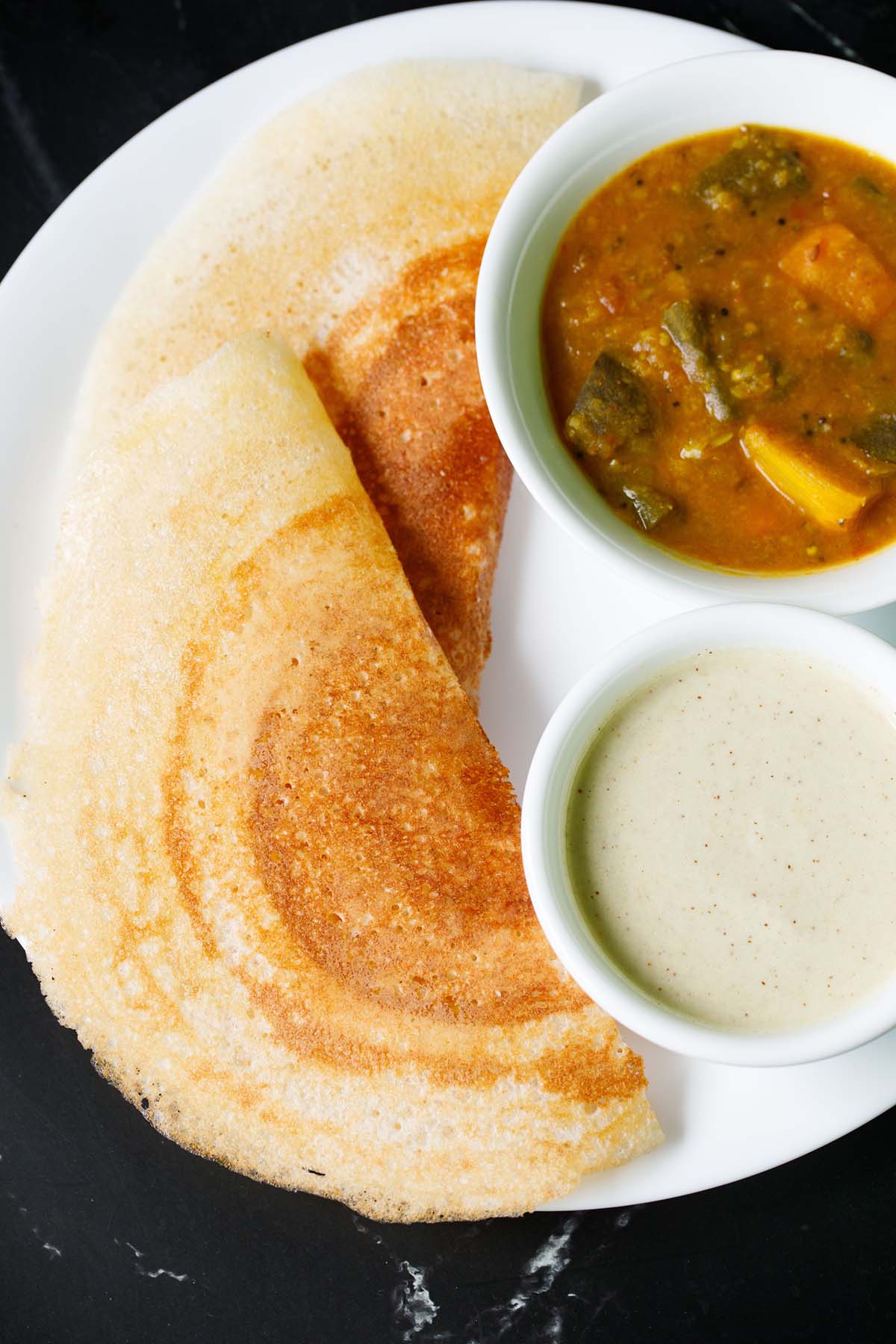
Table of Contents
To make dosa batter, rice and lentils are soaked for a few hours and then ground to a smooth consistency. The batter is fermented until airy and slightly sour, which is essential for good texture and taste.
Once fermented, the batter is spread thin on a hot, seasoned tawa and cooked until crisp, with a drizzle of oil or ghee.
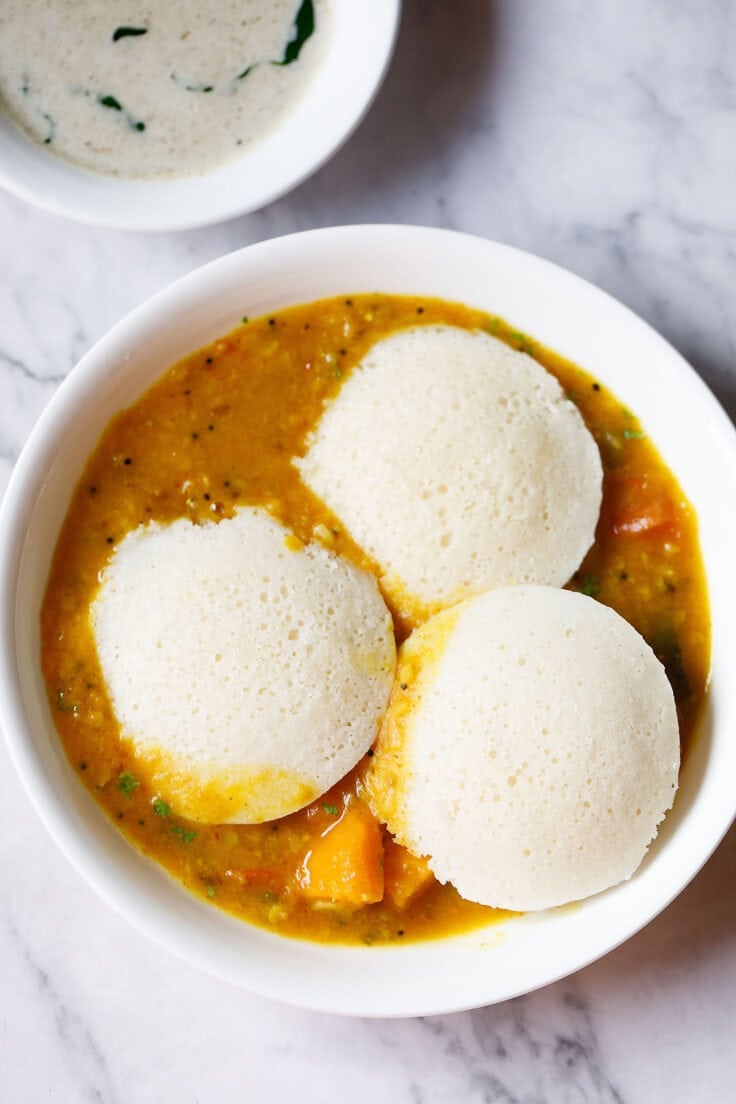
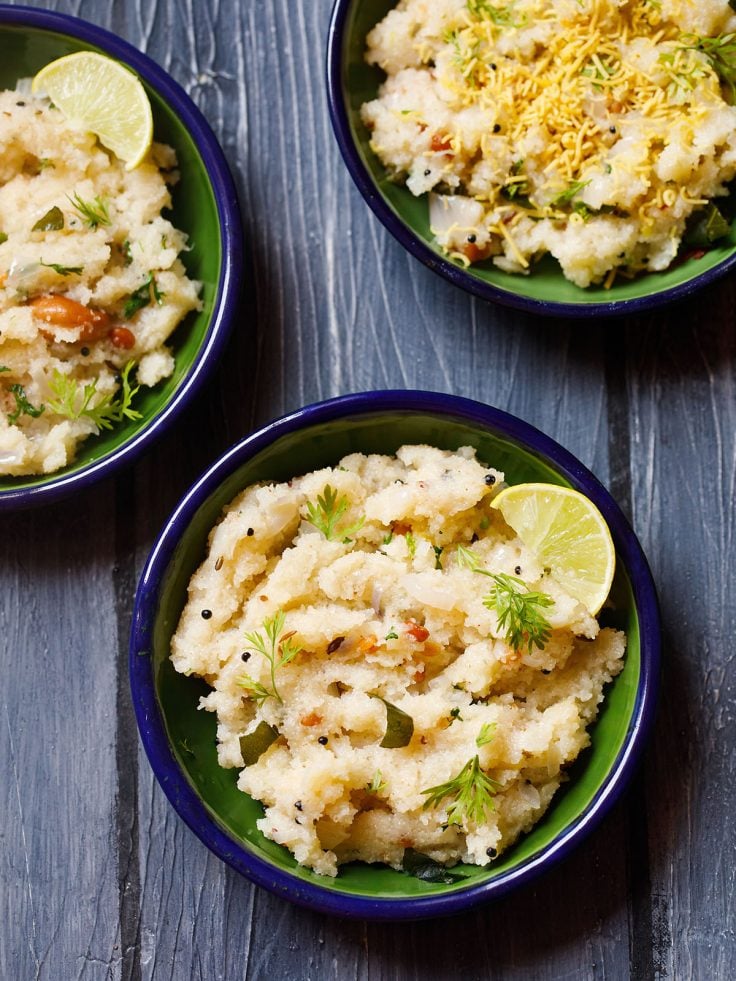
Dosa is a popular and evergreen South Indian tiffin breakfast much like Idli, Medu Vada, Upma or Rava Dosa.
How Dosa Batter Is Made
Traditionally, rice and urad dal are soaked separately for about 4 to 5 hours. They are then ground either together or separately, depending on quantity and equipment.
After grinding, the batters are mixed well and left to ferment overnight or for 8 to 9 hours, depending on temperature.
A properly fermented dosa batter increases in volume, develops a mild sour aroma, and shows tiny air pockets on the surface. This trapped air helps the dosa cook light and crisp.
Lentils Used
The main lentil used for dosa is husked black gram, known as urad dal. It is available as whole or split, both with the black husk removed. Either form works well.
For extra crispness, you can add 2 to 3 tablespoons of chana dal. Some variations also include small amounts of tur dal or moong dal. Urad dal should still form the bulk of the lentils, as it is responsible for fermentation and softness.
Rice Varieties
Dosa batter can be made with short or medium-grained white rice or parboiled idli rice. A basic dosa recipe uses only rice, urad dal, and salt.
Idli rice is a type of parboiled rice commonly used for idli and dosa. Regular white rice like sona masuri or parmal rice also works very well. I often use a mix of idli rice and regular rice, but you can use either one.
Adding ingredients like flattened rice (poha) improves softness. Changing rice types or proportions affects color and texture, ranging from crisp and thin to soft and fluffy.
About This Sada Dosa Recipe
Plain dosa is also called sada dosa, meaning simple or plain. It is made without potato filling and enjoyed with chutney and sambar.
This is the dosa recipe I make at home most often. I use a rice to lentil ratio of 3:0.75, along with a little poha for softness and fenugreek seeds to support fermentation. The result is dosa that is crisp on the outside and soft inside.
The same batter can be used to make idli, Uttapam and Paniyaram. You can spread it thin for crisp dosa or keep it slightly thick for soft ones. With one batter, you get multiple results, depending on how you use it.
After the batter is fermented, it increases in volume, has a pleasant fermented aroma and a slightly sour taste. A well-fermented batter makes the best dosa. You will also see many tiny air-pockets in the batter.
Making the batter and then fermenting it is such a joy that I always look forward to making fermented foods like dosa and idli.
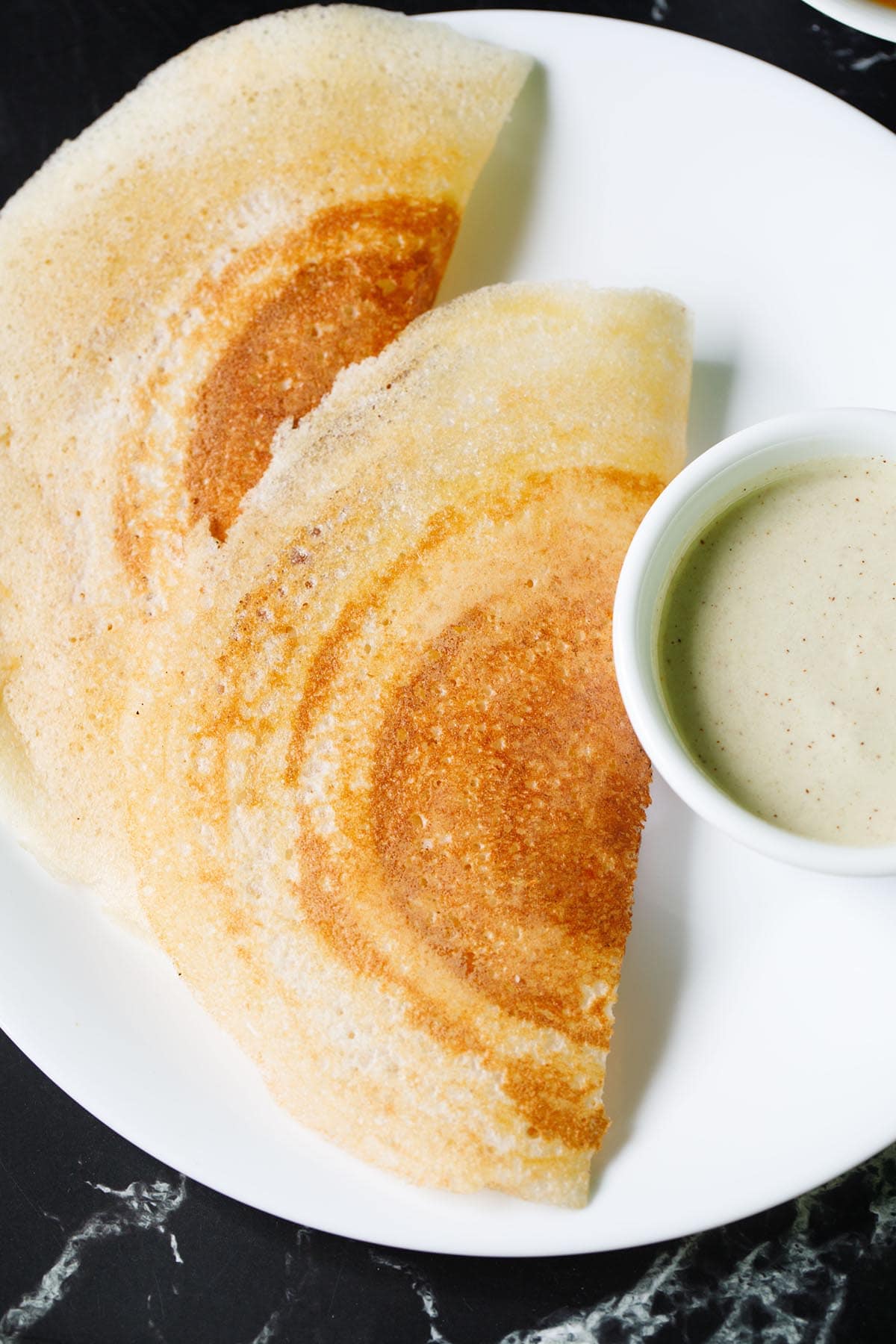
The fermented batter is poured on a seasoned cast-iron pan or skillet (tawa) and spread like a pancake and cooked till crispy and golden with a drizzle of oil or ghee.
More South Indian Fermented Dosa Variations
How to make Dosa (Step-by-Step)
Soaking the lentils, rice, making the batter, fermenting the batter calls for time, planning and some prep work. So for your ease of understanding, I have divided this step by step guide into 4 main parts:
- Soaking rice and lentils
- Making dosa batter in a blender or mixer-grinder
- Fermenting dosa batter
- Making dosa
Soak Rice & Lentils
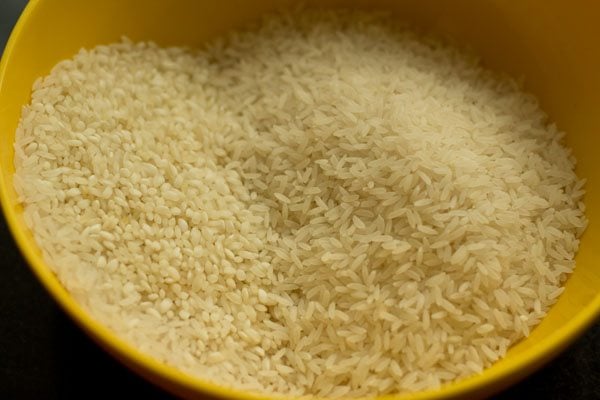
1. In a bowl take ½ cup idli rice or parboiled rice along with ½ cup regular rice. Instead of adding regular rice, you can also make the dosa with a total of 1 cup idli rice as I have shown in the video.
Kindly note that the video has the recipe ingredients doubled in proportion.
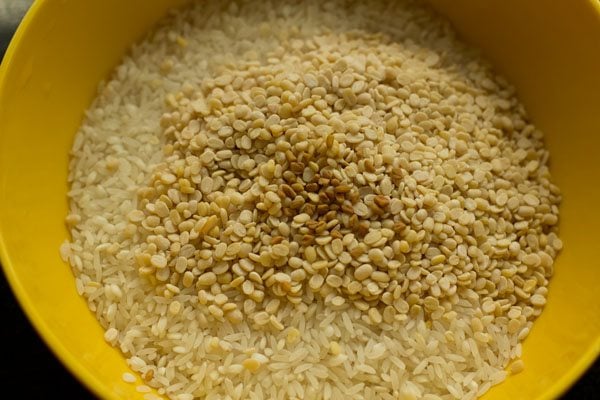
2. To the same bowl, add ¼ cup urad dal and ⅛ teaspoon fenugreek seeds (methi).
3. Rinse the rice, lentils and methi seeds together a couple of times and keep them aside.
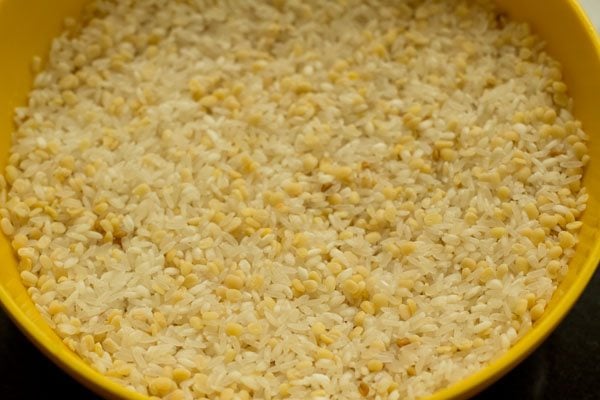
4. In a separate bowl, take 2 tablespoons of thick poha (flattened rice or parched rice).
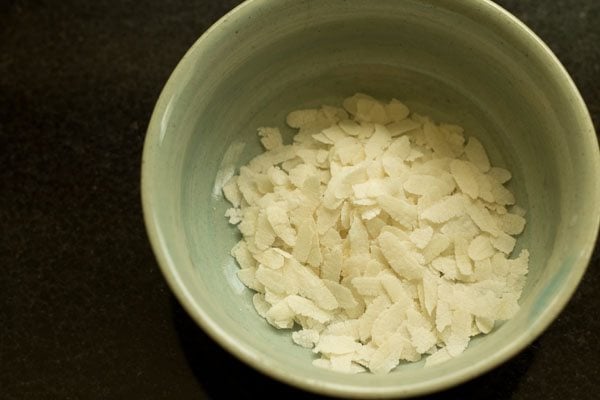
5. Rinse poha once or twice in water and then add to the bowl containing the rinsed rice+lentils+methi seeds.
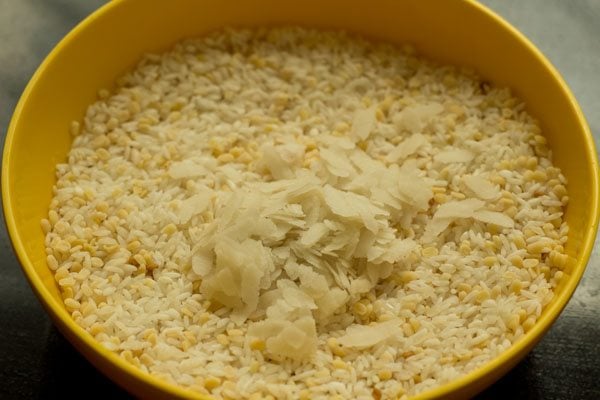
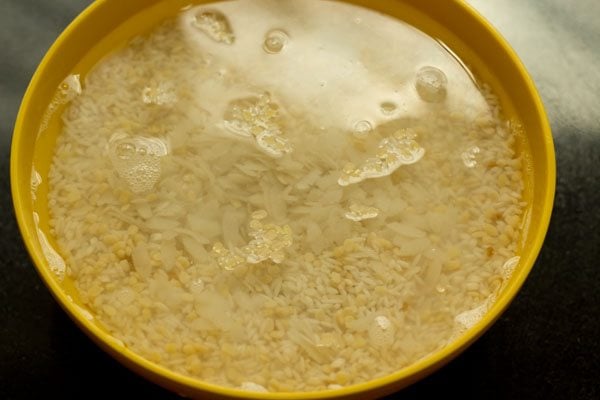
6. Add 1.5 cups of water and mix. Cover with a lid and soak everything for 4 to 5 hours.
Make Dosa Batter
7. Drain all the water and add the soaked ingredients to a mixer grinder or a blender.
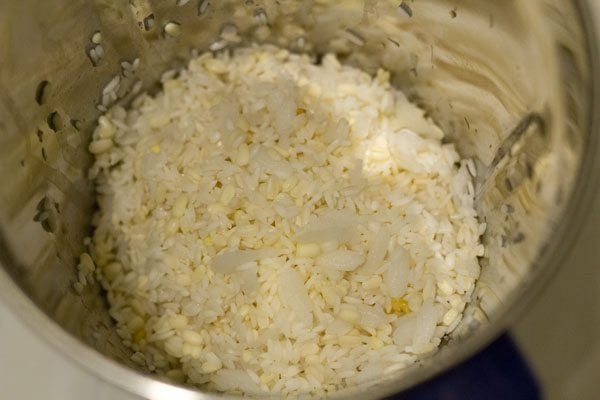
8. Add ⅔ to ¾ cup water and grind or blend till you get a fine grainy consistency of rice in the batter. A smooth consistency of the batter is also fine.
If the mixer gets heated up, then stop and wait for some minutes. When the mixer cools down, grind again.
Depending on the jar capacity, you can grind everything once or in two batches. I ground in two batches and added a total of ¾ cup water.
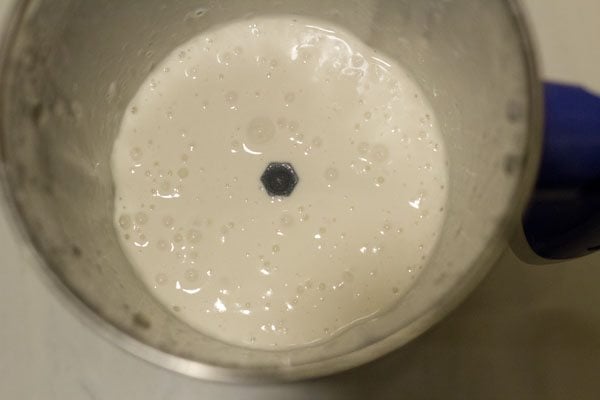
9. Now take the batter in a large bowl or pan.
Tip: In case the dosa batter becomes thin, then add a few tablespoons of rice flour to thicken it. Mix the rice flour very well in the batter.
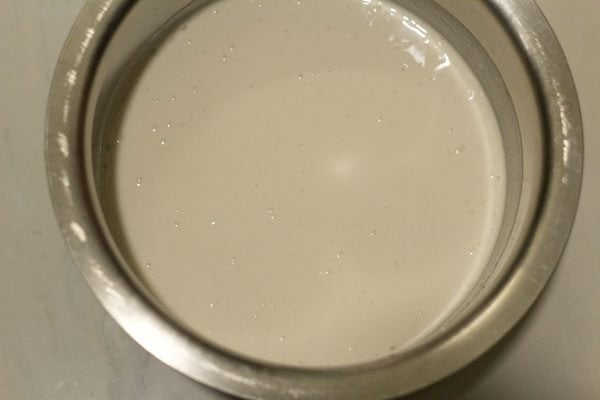
10. Add ½ teaspoon of edible rock salt. Mix very well. Instead of rock salt, you can use non-iodized salt or sea salt crystals or Himalayan pink salt.
Note on adding salt
1: Warm or humid climates: Fermentation happens easily due to higher temperatures. You can add salt while mixing the batter if you plan to use it within a day or two, though the batter may become sour sooner during storage.
2: Cooler climates: Fermentation is slower in cooler temperatures, and adding salt early can delay it further. For better fermentation and longer storage, add salt just before making dosa.
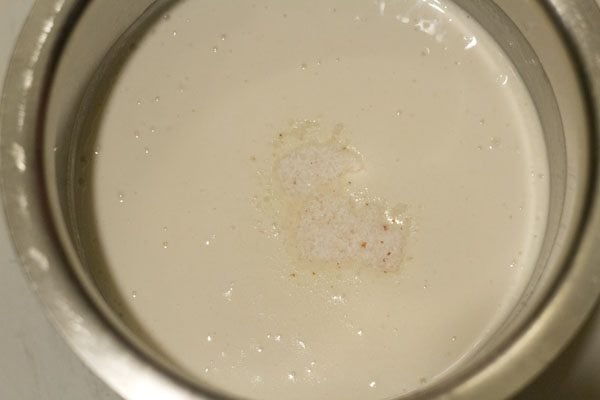
Ferment Dosa Batter
11. Cover and allow to ferment for 8 to 9 hours or more. The time of fermentation will vary depending on the temperature conditions, climate and altitude.
In winters, the time of fermentation can go up to 14 to 24 hours. If you live in a cold city or high altitude then I highly recommend fermenting the batter in an Instant pot if you have one.
I have listed below more fermentation tips and suggestions including fermenting dosa batter in an Instant pot. So do read these handy and helpful tips.
In the below photo, you see the dosa batter after 11 hours of fermentation. A proper fermentation will double or triple up the volume of the batter with a light sour aroma.
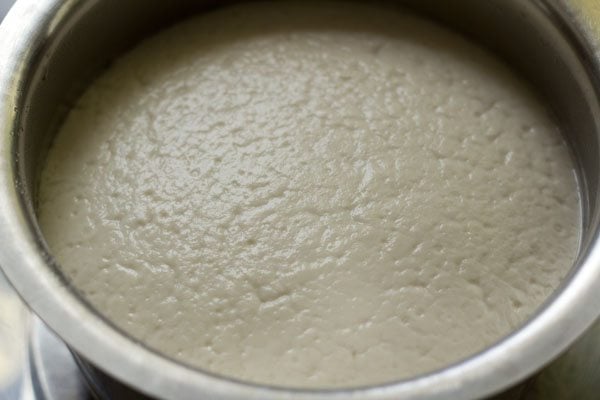
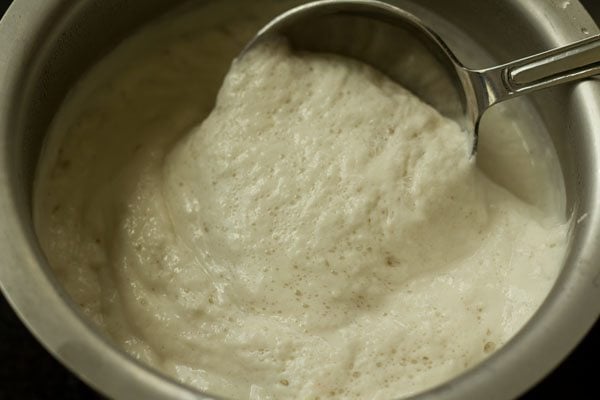
12. Now lightly stir the batter, before you begin to make dosa. You will also see many tiny air pockets in the batter.
As you see in the below photo, the batter is very well fermented.
Make Dosa
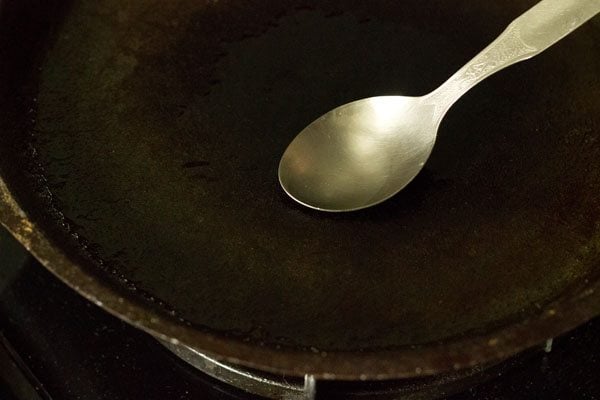
1. Heat a cast iron pan. When the pan becomes hot, spread ¼ to ½ teaspoon oil all over the pan with a spoon or with a thick paper towel dipped in oil. For a richer taste, you can cook the dosa with ghee or butter.
Note that the oil should be spread evenly or else it becomes difficult to spread the batter. If the pan is well seasoned you don’t need to spread oil. I suggest keeping a separate skillet or tawa to make only dosa.
Do keep the heat on low to low-medium flame, so that you are easily able to spread the batter. If the pan base is very thick, then keep the flame to medium.
Note: For a low-fat option, just make the dosa without any oil. But make sure that your pan is well seasoned. Otherwise the dosa will stick to the pan.
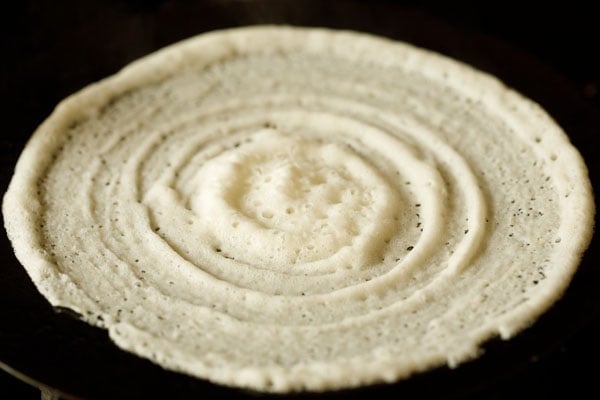
2. Now take a ladle full of the dosa batter or about ¼ cup of the batter. Pour the batter and gently spread the batter starting from the center and moving outwards. In the below photo you will see a well-spread dosa batter.
3. Cook the dosa on low to medium heat. Do regulate the heat as per the pan size and thickness. You can even cover the dosa with a lid and let it get cooked from the bottom as I do.
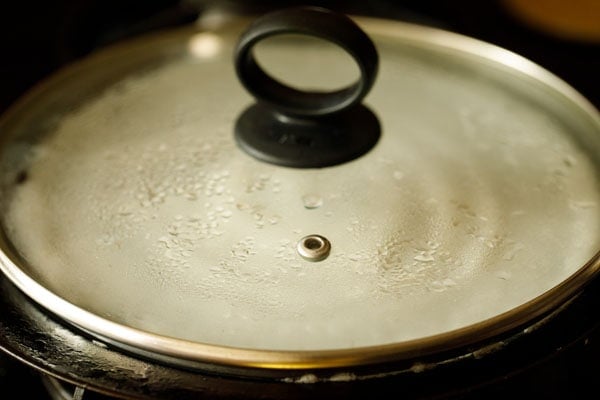
4. Cook till the base is nicely golden and crisp. The base will leave the pan and the edges separate when it gets cooked.
When you see the batter on the top cooked well and the base has become golden, then sprinkle ¼ to ½ teaspoon oil on the edges and center. With the spoon spread the oil on the dosa.
If you prefer, you can flip the dosa and cook the top side for a minute.
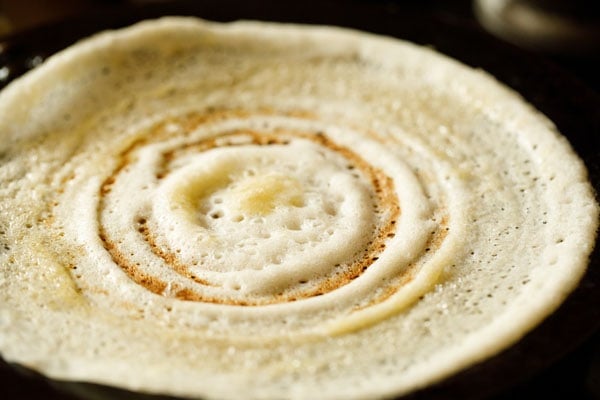
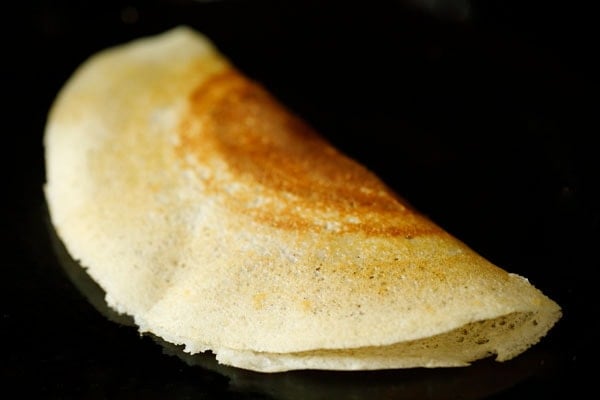
6. When the dosa has nicely browned from the bottom and the surface looks well cooked, soft without any specks of undercooked batter, then fold with a spatula and lift it from the pan.
Make the remaining batches of dosa this way and serve them hot.
Serving Suggestions
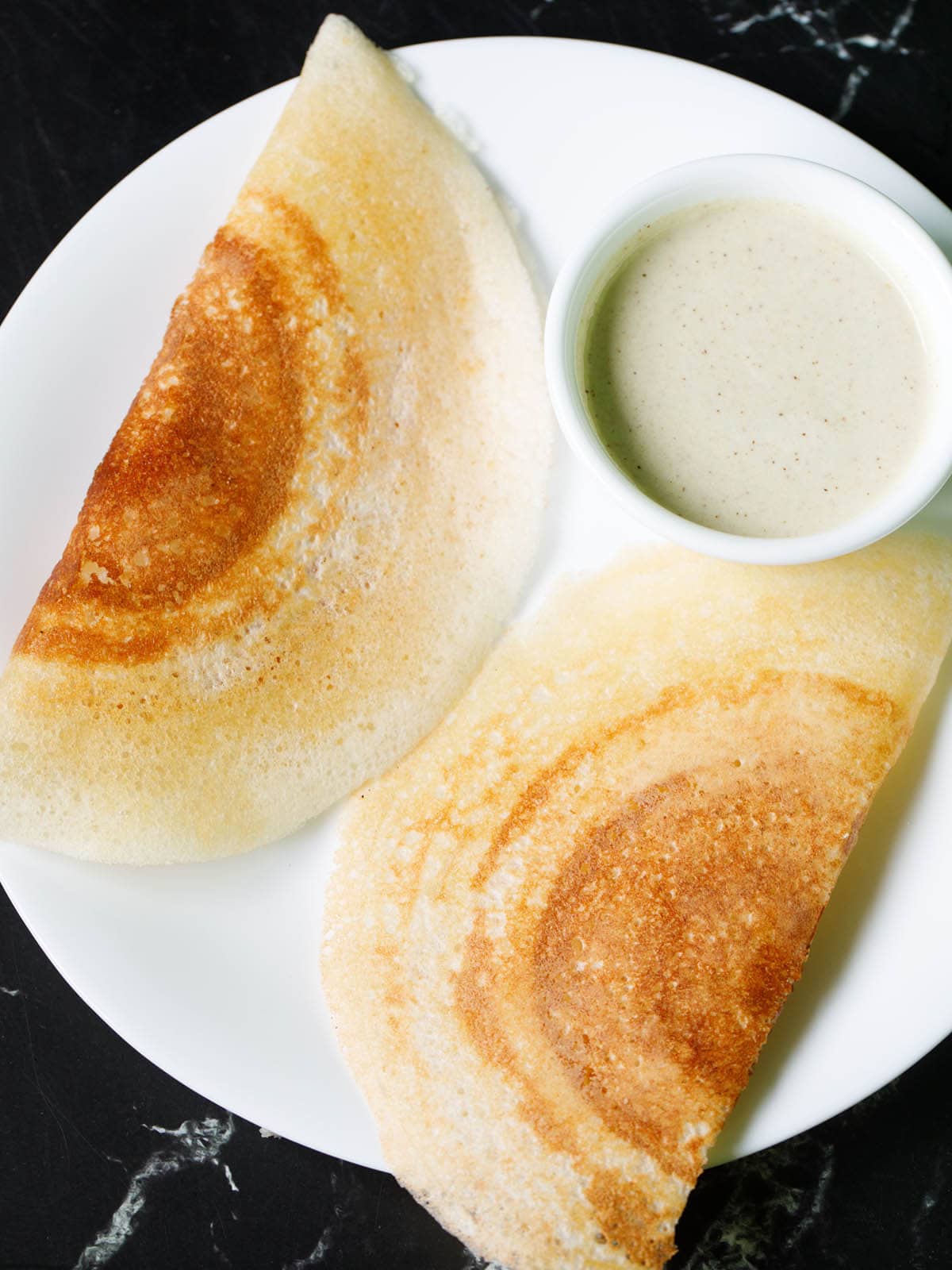
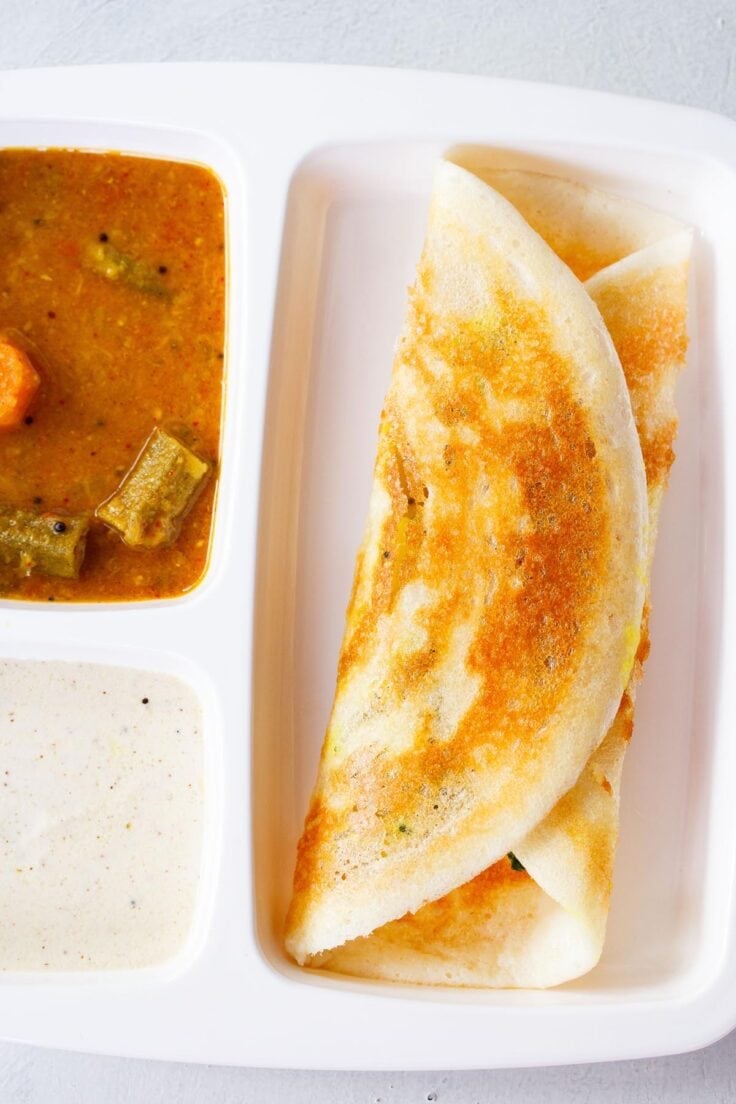
Serve dosa hot and fresh for the best taste and texture. Crispy dosa pairs well with coconut chutney, sambar, and potato masala.
If you are serving dosa with a spiced potato curry, do check my Masala Dosa recipe. You can also serve it with Potato Masala or Poori Masala which makes a delicious and comforting combination.
Other good accompaniments are Tomato Chutney, Onion Chutney, Peanut Chutney, Dosa Podi or even plain yogurt for a light meal.
Dosa also tastes good with simple South Indian vegetable curries like a spiced Veg Kurma. At home, we mostly enjoy it just with coconut chutney and a cup of Filter Coffee.
Storing Tips
If you have leftover batter, store it in an airtight container in the refrigerator for 2 to 3 days. Stir the batter gently before using and adjust the consistency with a little water if needed. The batter may turn slightly sour over time, which is normal.
You can also freeze dosa batter for about one week. Thaw it at room temperature, mix well, and check the consistency before making dosa. Avoid refreezing once thawed.
Tips & Tricks To Make Perfect Dosa Everytime
- Temperature matters most: Fermentation depends mainly on warmth. In warm or hot climates, dosa batter ferments easily overnight. In cooler climates or winters, it takes longer and needs a warm place or spot to ferment well.
- Use fresh urad dal: Always use fresh, good-quality urad dal. Old or stale dal does not ferment well and affects texture.
- Rice choices: You can make dosa batter with idli rice, regular white rice, or a mix of both. Sona masuri and parmal rice work well. The rice type mainly affects the texture and spread of dosa, while fermentation depends more on urad dal quality, grinding, and temperature.
- Salt and fermentation: Salt does not help fermentation. Any salt, whether iodized, rock salt, sea salt, or pink salt, slows down fermentation slightly. In cooler climates, adding salt early can delay fermentation further. In hot or humid climates, fermentation still happens easily, but salted batter tends to taste sour sooner during storage. I usually add salt to the batter since I live in a warm climate and use the batter quickly. For longer storage or better control over fermentation, salt can be added just before making dosa.
- Grinding rice and urad dal separately: When making larger quantities, grind urad dal and rice separately. Urad dal needs more aeration during grinding, which helps fermentation and makes the batter lighter. Rice does not need as much aeration. Mixing both batters later gives better texture and consistent results. For small batches, grinding together is fine if your mixer or blender can handle it.
Troubleshooting Dosa Batter
- Batter did not ferment: The batter may have been kept in a cold place, the urad dal may be old, or fermentation may have slowed due to low temperature. If salt was added early, it can further delay fermentation in cooler conditions. Move the batter to a warmer spot and allow more time.
- Batter smells very sour: The batter has over-fermented, usually due to warm temperatures or long resting time. In hot or humid climates, salted batter can taste sour sooner during storage. Refrigerate the batter immediately and dilute slightly with fresh batter or a little water before use.
- Dosa sticks to the pan: The tawa or skillet/griddle may not be seasoned properly or is too hot or too cold. Use a well-seasoned cast iron skillet and wipe it lightly with oil between dosas.
- Dosa turns thick and soft, not crisp: The batter may be too thick or spread unevenly. Add a little water to thin the batter and spread quickly on a hot pan.
Fermenting Dosa Batter in Cooler Climates
- Keep the batter in the warmest place in your kitchen.
- Place it near a heater if needed.
- Preheat the oven to 80 to 90°C for 10 minutes, switch it off, and keep the batter inside.
- If your oven has a light, keep the light on and place the batter inside. Make sure the oven does not heat up.
- A pinch of sugar can help kick-start fermentation in winter, but use it only if needed.
Do not rely on the batter doubling in size. Look for tiny bubbles and a mild sour aroma. That is a better sign of proper fermentation.
If fermentation is very weak, you can add:
- ¼ to ½ teaspoon instant yeast dissolved in a little water, 30 to 45 minutes before making dosa. This works, but the batter must be used the same day, as it turns yeasty on refrigeration.
If fermentation is difficult in cold weather, adding ¼ to ½ teaspoon baking soda can help, though it may slightly affect flavor.
How to Ferment Dosa Batter in the Instant Pot
The Instant Pot is very useful in cooler climates.
- Place the batter in a bowl or directly in the inner pot/insert pot.
- If using a bowl, keep it on a trivet inside the inner pot.
- Cover with a glass lid.
- Press the yogurt button and select low mode.
- Set the time for 8 to 12 hours.
In warm weather, the batter ferments in about 7 to 8 hours. In winter, it may take 10 to 12 hours. Do not use normal yogurt mode, as it can partially cook the batter.
Making Dosa Batter in a Wet Grinder or Mixer
Both wet grinders and mixer-grinders work well.
A table-top wet grinder is ideal for large quantities. It grinds urad dal very fluffy and airy, which gives excellent fermentation.
Mixer-grinders are perfect for small to medium batches. I use my mixer-grinder regularly and get consistent results.
If using a wet grinder, double or triple the recipe quantities. Add water gradually while grinding.
Water proportions for a wet grinder
- ½ cup urad dal: about 1.5 cups water
- 2 cups rice: about 2.5 cups water
Grind urad dal with fenugreek seeds first until fluffy. Then add rice and continue grinding.
Seasoning Skillet or Tawa for Making Dosa
A well-seasoned tawa, skillet or griddle is essential, especially if using cast iron.
If the pan is new or unused:
- Heat it on medium heat
- Smear oil all over the surface
- Switch off heat and keep aside for 2 to 3 days
Before making dosa:
- Heat the pan
- Wipe off excess oil
- Apply a thin layer of oil again using a paper towel or a heat-safe brush and heat briefly.
A properly seasoned cast iron tawa gives the best dosa texture and prevents sticking. Non-stick pans work too, but cast iron gives better color and crispness.
Your Questions Answered
How do I know dosa batter is fermented properly?
Well-fermented batter smells mildly sour and shows tiny bubbles on the surface. It may not always double in volume, especially in cooler weather.
What is the secret to perfect dosa?
Proper grinding of urad dal, nicely fermented batter, and a well-heated seasoned pan are the key factors for making good dosa.
What is the ratio of urad dal and rice for dosa batter?
A common ratio is 3 cups rice to ¾ or 1 cup urad dal. This ratio gives a balanced batter that makes crisp yet slightly soft dosa.
How many hours should urad dal be soaked for dosa?
Urad dal should be soaked for about 4 to 5 hours. This helps the lentils to grind smoothly and ferment well.
What are the ingredients in a simple dosa?
A basic dosa is made with rice, urad dal, water, and salt. Some recipes also include a little poha (flattened rice/parched rice), chana dal, tur dal or fenugreek seeds.
What are common dosa mistakes?
Using old urad dal, poor fermentation, incorrect batter consistency, or an unseasoned pan can lead to sticking, pale color, or dense/chewy dosa.
Step by Step Photo Guide Above
Ingredients
- ½ cup or 100 grams idli rice or parboiled rice or regular rice
- ½ cup or 100 grams regular rice
- ¼ cup or 50 grams urad dal (husked whole or split black gram)
- ⅛ teaspoon or 2 pinches fenugreek seeds (methi seeds or methi dana)
- 2 tablespoons thick poha (flattened rice)
- 1.5 cups water – for soaking both rice and lentils
- ¾ cup water – for grinding, do add water as required
- ½ teaspoon rock salt – edible and food grade or non-iodized salt or sea salt crystals or Himalayan pink salt
- oil as required, for cooking dosa
Instructions
Soaking Urad Dal & Rice
- In a bowl take the idli rice or parboiled rice along with the regular white rice.Instead of adding regular rice, you can also make the dosa with a total of 1 cup idli rice as I have shown in the video. The video has the recipe ingredients doubled in proportion.
- To the same bowl, add urad dal and fenugreek seeds.
- Rinse the rice, lentils and methi seeds together a couple of times and keep aside.
- In a separate bowl, take the flattened rice.
- Rinse it once or twice in water and then add rinsed flattened rice to the bowl containing the rinsed rice+lentils+methi seeds.
- Pour 1.5 cups water. Mix. Cover with a lid and soak everything for 5 to 6 hours.
Making Dosa Batter
- Drain all the water and add the soaked ingredients in a wet grinder jar.
- Add ⅔ to ¾ cup water and grind till you get a fine grainy consistency of rice in the batter. A smooth consistency of batter is also fine.
- If the mixer gets heated up, then stop and wait for some minutes. When the mixer cools down, grind again. Depending on the jar capacity, you can grind everything once or in two batches. I ground in two batches and added overall ¾ cup water.
- Now take the batter in a large bowl or pan.
- Add ½ tsp rock salt. Mix very well. Cover and allow to ferment for 8 to 9 hours or more. Time of fermentation will vary depending on the temperature conditions.
- A proper fermentation will double or triple up the volume of the batter and you will see tiny air pockets in the batter with a light sour aroma.
- Now lightly stir the batter, before you begin to make dosa.
Making Dosa
- Heat a cast iron pan. When the pan becomes hot, spread ¼ to ½ teaspoon oil all over the pan. Do keep the heat on low to low-medium heat, so that you are easily able to spread the batter. If the pan base is very thick, then keep the flame to medium.
- Do not spread oil if you are using a nonstick pan, as you won't be able to spread the batter.
- Now take a ladle full of the batter. Pour the dosa batter and gently spread the batter starting from the center and moving outwards.
- Cover it with a lid and cook the dosa on a low to medium heat. Do regulate the flame as per the pan size and thickness.
- When you see the batter on the top has cooked well and the bottom has become crisp and golden, then sprinkle ¼ to ½ teaspoon oil on the edges and center.
- With the spoon spread the oil on the dosa.
- Cook till the base is nicely golden and crisp. The base will leave the pan and the sides will also get separated when it gets cooked.
- Fold and serve sada dosa hot. Make all dosai this way.
Serving Dosa
- Serve these crispy plain dosa hot with sambar or potato masala or coconut chutney. Dosa tastes best when served immediately.
Storing Batter
- Refrigerate leftover batter in an airtight container for 2 to 3 days.
- Stir gently before use and adjust consistency with a little water if needed. The batter may turn slightly sour over time.
Video
Dassana’s Notes
- Scaling: You can halve, double, or triple this sada dosa recipe. When doubling or tripling, soak urad dal and fenugreek seeds separately and grind them separately from the rice. Grind the soaked rice in two to three batches and mix both batters together before fermentation.
- Rice: You can make this dosa using only idli rice instead of a mix of idli rice and regular rice. In the video, the ingredient quantities are doubled.
- Temperature: Fermentation depends largely on temperature. In warm climates, the batter ferments easily overnight. In cooler climates, it may take longer and needs a warm place.
- Urad dal: Use fresh, good-quality urad dal within its expiry date for proper fermentation and texture.
- Salt: Salt slightly slows fermentation. You can add salt before fermentation if you use the batter quickly. For longer fermentation or storage, add salt just before making dosa.
- Cooler climate fermentation: Keep the batter in a warm spot, near a heater, or inside a switched-off preheated oven (80 to 90°C for 10 minutes). You can also keep the batter in an oven with the light on, ensuring the oven does not heat up. A pinch of sugar can help kick-start fermentation in winter. Allow 14 to 24 hours if needed.
- Signs of proper fermentation: The batter may not always double in volume. Look for tiny bubbles and a mild sour aroma.
- Emergency fixes: If the batter does not ferment, you can add ¼ to ½ teaspoon instant yeast dissolved in water about 30 to 45 minutes before making dosa. Use the batter the same day. Baking soda can also be used in cold seasons, but it affects flavor slightly.
- Wet grinder method: If using a wet grinder, double the recipe. For ½ cup urad dal, add about 1.5 cups water. For 2 cups rice, add about 2.5 cups water. Add water gradually while grinding urad dal and fenugreek seeds until fluffy. Grind rice next in the same grinder, then transfer the batter to a bowl, add salt if using, and ferment.
Nutrition
Dosa Recipe from the archives was first published on May 2016.
Very nicely explained the various combinations of the ingredients and different tricks to ferment.
I would rate it with 7 stars, 5 stars would be an under rated compliments.
Thank you so much for your kind words and generous rating. I’m really happy to know you found the explanations and fermentation tips helpful. Your appreciation truly means a lot and motivates me to share more recipes.
If you’re looking for a go-to recipe for dosa batter, this is the one. You can customize it as per your needs, just like I do once a while, it still results in amazingly crisp and yum dosas.
5 star
Thanks.
Hello Dassana!
Perfect batter for dosa, idli and even uttapam, (added gram flour to the finished batter)!!
One question, for how long should I soak the poha? Just add it to the rice for the whole soaking period?
Thank you!!!
Thank you. You can soak the poha with the rice or soak it separately for about 30 minutes to an hour.
Hello, thank you for these wonderful instructions! I am curious about something: I wonder how dosa batter was ground in the days before electricity? Is that something you have any knowledge of?
Also, I wonder if increasing the portion of legumes and decreasing the portion of grain would affect the fermentation?
Thank you for your thoughts!!!
Yes, in Southern India, you will find stone grinders that were traditionally used to grind the dosa batter. In some households, you will still find them. The lentils and rice were ground manually with the help of these round stone grinders.
Yes the fermentation time will reduce when you add more lentils or legumes and reduce the rice. I hope this helps and thank you.
Hello, Dassana, thank you for your reply! Are the traditional grinders like a mortar and pestle type of idea? I don’t know how to search for pictures on the internet to see what the process was like.
Also, do you think that a longer soaking time would make the beans or lentils more difficult to grind finely, due to them beginning to ferment during the soak?
Welcome! Usually there are two types to make the batter – one is not exactly like a mortar-pestle but same kind of thought is applied to it. The second one is a flat rectangular stone with a heavy thick rolling stone to grind on the flat one. If you search for idli or dosa adding these words ‘village style’ on youtube, you will get to see these traditional equipments.
Yes, could be, they make time more time to grind for the same reason you have mentioned. Avoid soaking for longer times as they ferment and get an off odour.
Once in a while I am making these for my friends, and each time I’ve gotta explain that this is not you usual pancake ) The shape is not perfect, but tastes great anyway!
Thank you. It came out well. I followed the recipe on the Idli/Dosa rice proportion 1:3 and following your instructions it turned out very well. Thank you.
Welcome and thanks for the feedback. Most welcome.
Mam pls share oats dosa recipe. Thanks.
Welcome Ash. I have already shared oats dosa recipe. Kindly click on this recipe post link Oats Dosa
Hi,
Quick question, by mistake I added some extra water while grinding rice. Batter turned out little thin. I am afraid if the batter will ferment on not. Any tips as I dont want to discard the batter. The batter is composed of 1 cup urad dal: 2 cups rice: 1 cup poha.
Please guide me through.
Thanks.
Hi Ria, add some rice flour or sooji (rava) to the batter. Use rava which is fine and not coarse. You can add it just before making the dosa also.
I can’t wait to try this! But I don’t have an Indian mixer grinder or wet grinder. Can I use a Kitchen Aid stand mixer? Thank you!
For grinding the lentils and rice, a blender like Vitamix works very well. The kitchenaid stand mixer won’t help here as the lentils and rice are ground to a batter.
Hi,
I made a batch of dosa batter and the batter has well fermented.
I have stored it in freezer.
Will the batter last good for least 2-3 weeks while in frozen?
Thanks.
Yes it will last good for 2 to 3 weeks in the freezer.
Makes very nice I have tried it but in non stick pan.d
Can sugar be put in the batter. Please let me know.
thanks neelam. sugar can be added in the batter. half to 1 teaspoon of sugar can be added.
Hello,
I don’t how I came across your blog 2 or 3 years ago. But I am so happy I did. Being a Syrian Christian, non-veg rules my household. But there are those few days we all crave for some veg recipes as we all have travelled around the country and we have our favourites. I’m no veteran in cooking, but if I could suggest your blog to my mom and she loved the recipe for a dish she already knows the recipe of, that’s some serious skill 🙂
Thank you so much for helping me with all the help you have been from the time I have referred to your recipes, I blindly suggest to all cuz each recipe is foolproof 🙂
Anju
thank you much anju. i am really glad reading your comment and feeling motivated too. comments like yours encourage and guide me to develop better recipes and present them also very well on the blog. thanks again.
all the best to you and give my regards to your mom.
Hi dassana, wanted to know the purpose of using idli rice +regular rice for making the batter,why not just idli rice?
when just idli rice is used, the dosa tend to be soft and fluffy. some proportion of regular rice helps in making the dosas crispy.
Thank you????????
Welcome Ashwini
Hei Dassana!
Thanks for sharing your recipe 🙂
I have some doubt that can i use regular rice instead of idli or pre-boiled rice and i have powderd urad dal so what quantity i should take. How to get the batter ferment easily because we are having winter(temp -5)
TIA!
welcome. you can use regular rice for dosa batter. take 1/2 cup of urad dal flour. usually i keep the pan in a warm oven or in a warm place in the kitchen. just preheat oven on a low temp for some minutes. then switch off the oven and place the batter in it. if your oven has lights then keep the lights on and keep batter inside. you can even keep batter near a heater.
Hi Dassana! Thank you for this recipe.
Can I substitute the regular rice with brown sona massori rice? I want to know if I can use brown rice+parboiled/idly rice. Thanks!
welcome neeta. you can use regular rice instead of sona masuri rice. you can use brown rice+parboiled/idly rice combination.
Superb recipe Dassana. The dosas were too good. I live in a place where the winter is currently harsh, the idea of adding poha worked. Thanks for sharing.
Welcome Rithika. Glad to know that you liked the dosas.
Hi Ms.Dassana,
Thanks for sharing the recipes…
I tried your rava idli recipe and it was amazing my employers love it.
Now I want to make this dosa. Should I keep the batter in fridge or at room temperature during fermentation process? I’m confused coz my employer told me that I keep inside the fridge and the urad dhal and rice don’t need to mix… I doubt in her suggestion coz she’s not that pro in cooking… I feel like she’s only guessing… the first time I followed her rava idli it did not turned well.unlike your recipe that I followed today..
Sooooooo yummy.
Thanks
Jen
welcome jen. for dosa batter to ferment, you have to keep it at room temperature. if you like in a hot or warm city, then the dosa batter will get fermented in 6 to 9 hours. but if the climate is cool or cold, then it takes more hours for the batter to ferment. once the batter is fermented, then you keep in the fridge. remove extra batter in a bowl and make dosas from it. remaining you keep covered in fridge. also both the urad dal batter and rice batter has to be mixed well.
Hi!
As u wrote Its possible to use raw rice, but here we have only Basmati rice from India (no Masuri or Parmal). is it possible ? I can get Jasmin rice from Thailand or what we call here “parsian rice”. which one is recommended ?
thanks!
welcome noam. don’t use jasmine rice. you can use basmati rice but try buying basmati rice which are not very long grains. this is not the best and recommended option but for your situation it is a good option.
Hi and thanks for the detailed recipe!
usually I’m (trying) to make the “restaurant style masala dosa” but now I saw this post, and the butter ingredients and steps is diff (rice types, soaking together etc).
which recipe should I use ?
Welcome Noam. You can use any dosa recipe. Both are good. The masala dosa recipe gives a more crisp texture in the dosa as compared to this plain dosa recipe.
Hi daasna, i always try your recipes and come out well.
But this time i am worried about fermentation because i stay in japan and whether is in between 20 to 25 degrees.
What can i do to ensure perfect fermentation..
Pls help
hetal, i have the issue during winters here. so i keep the batter for a long time. at times i have kept the batter for even 20 hours. also if your oven has light, then you can keep the batter in the lighted oven. or keep the batter in a warm place like near a heater. also add a bit of sugar in cold temperatures as sugar helps in fermenting and avoid adding salt. salt is best added if living in warm or hot places, as then salt does not allow the batter to get fermented too much.
Thanks Daasana… I added salt before so frementation didnt come that well but the dosa were really yummy…. This time i will add sugar and try…
Thanks a lot
welcome hetal. do try and you will see the difference.
hii mam, m big fan of ur blog…u r just amazing. i m having one confusion that whether idli batter can we use for dosa making also?
thanks mamta for your kind words. yes you can use. just add some water if required to the idli batter. so that the batter spread easily on the tawa.
Hi! Can I substitute the white sona masoori with brown sona masoori rice?
neeta, you can use brown sona masoori rice.
Hi there!
I have a question – the batter has fermented beautifully and has risen well, however, the surface has become dry. Should I skim that off or mix it into the rest of the batter really well?
This is the second time I have tried this recipe. The first time it came out really well and my family loved the dosas! Thanks for sharing these wonderful recipes with us!
Welcome Parul, mix it well. it happens at times.
My dosa batter turned out to be a little bitter, could it be because of the methre seeds? Can I skip them?
Also, the mix got double in quantity but it was very thick …so I added water
Can u tell me how can I ensure a good consistency Batter?
I soaked the dal and rice mix for around 12hrs and let it ferment for around 10hrs as well. The temperature was 32 degrees for most part of the day and later dropped for the last 2 hrs to below 20 degrees…..
the amount of methi seeds is very less and it will not contribute towards any bitterness in the batter. you can skip them also. i guess the bitterness is due to oversoaking. just 4 to 5 hours of soaking rice and dal is enough. too much soaking can ferment the water in which they are soaked. if the batter looks thick, then you can add water. grind the urad dal very well. if this is done well and the water is sufficient in the batter, then the consistency of the batter is also good.
What is the purpose of adding Poha?
how does it help?
it helps the dosa to have some softness in the texture.
Hi Dassana. I have tried many recipes from your blog. Everytime it was successful. But this batter recipe didn’t workout. I accidentally added iodised salt and it has not fermented. Was this the reason for not fermenting it? My mom used baking soda and I want to avoid using it. If I used rock salt, would it help?
sushma, iodized salt is not the main issue. could be that the urad dal was not ground well. or could be that the temperature is low. so next time keep for some more hours. rock salt always helps. so you can add it next time you make dosa batter.
Can you freeze the fermented batter? Thanks so much for the recipe. I made it, and it came out perfectly, but I want to know if I can make a bigger batch to save.
thanks zeenat for the positive review on dosa recipe. i have never freezed dosa batter. so i don’t know if the batter gives better dosas after freezing. you will need to give a try. usually i just refrigerate the batter for some days.
hi daasana… can I use the regular rice only. I don’t have the other types.. ?? will that affect the quality of the dosa??
and I have a traditional iron tawa, I make chapatti daily but i make cheelas also on that…. should I use this tawa or a non stick pan or an anodised pan?? I have all these three.
you can use regular rice. with regular rice the dosa will have a crisp texture. taste will be slightly different as parboiled rice gives a different taste. iron tawa is best for making dosa. you can season it with some oil and keep it and then use it. just heat the tawa, spread oil. wipe it and then again spread another layer of oil. switch off the flame and then keep for a day or two or overnight. while making dosas, place the tawa on stove top. wipe the oil. when the tawa become hot, spread oil. wipe this layer. spread another layer and then start preparing dosas. you can also use a non stick or anodised pan, but i feel iron tawa gives a better texture in the dosa than using a non stick and anodised pan.
Nice sada dosa recipe..n ur benne dosa is a huge hit at home..thank u fr such lovely recipies..
I just love your blog so very much!
I learned how to cook North Indian 15 years ago and then met a Southern Indian friend who’s teaching me her family recipes. So very different from the North! Both are very good.
I showed her this site and she approved! Her only tip to me was to add 1/4 t of baking soda to help with fermentation.
Thank you for sharing your lovely recipes 🙂
thanks jenny. thats so nice of your friend to teach you south indian recipes. some folks do add baking soda both in idli as well as dosa batter. so it can be added. whenever the batter does not ferment well for me (especially during winters), thats the time i add baking soda. otherwise during summers, when the batter has fermented well, i do not add baking soda. hope this helps.
Hi,pls post the recipes of masalas like pav bhaji,chole,rajma,every day subzi and dal masala.they all r available in market but honestly very poor quality and never satisfied after spending so much money.so my humble request to u to make it possible for all ur viewers.i m sure 80% of ur viewers will agree with request.
Parul
parul, i am going to add all the masala you have requested. i am sure it will be helpful to the blog readers.